

Introduction
Counter-Strike 2 has developed a large international player community, and cosmetic weapon skins have become an important part of the game’s trading culture. Players collect skins for different reasons, including visual customization, collecting, trading, and participating in the broader digital-item marketplace. As interest continues across different countries, selling cs2 skins internationally playbattlesquare has become a useful topic for players who want to understand how international skin transactions can work.
Selling skins internationally involves more than simply finding another player who wants a particular item. Sellers may need to consider marketplace rules, regional availability, payment methods, currency differences, transaction fees, account security, and applicable laws or platform policies. A successful transaction should be approached carefully, especially when dealing with unfamiliar buyers or third-party services. Understanding the process before listing an item can help sellers avoid common mistakes and make more informed decisions.
Understanding CS2 Skins
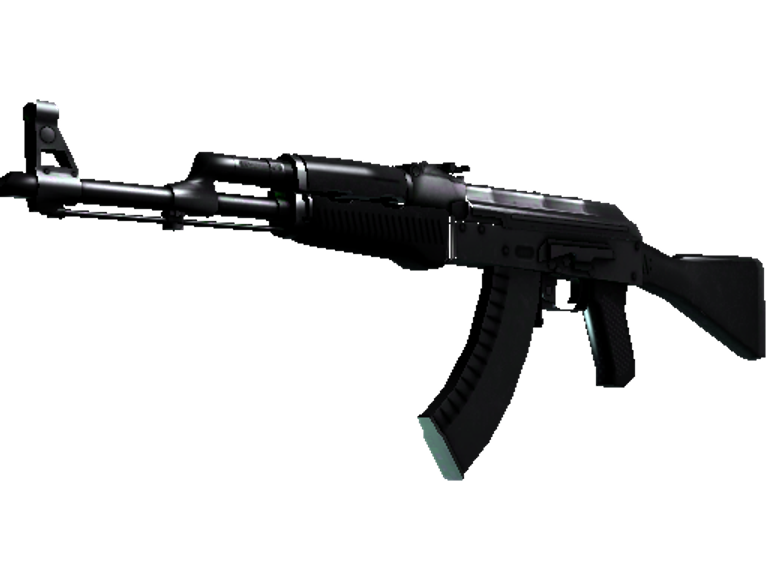
CS2 skins are cosmetic items associated with Counter-Strike 2. They can change the appearance of weapons without necessarily changing their basic gameplay performance. Skins exist in many designs, finishes, conditions, and levels of rarity, which contributes to differences in demand and market value.
Some skins are widely available, while others can be considerably harder to obtain. Factors such as condition, rarity, pattern, popularity, and supply can influence how players value an item. Special characteristics can also make certain skins more interesting to collectors.
Before selling, it is important for a player to understand exactly what item they own. Checking the item’s name, condition, exterior quality, and any relevant characteristics can help create an accurate listing.
What Selling CS2 Skins Internationally Means
The phrase selling cs2 skins internationally playbattlesquare refers broadly to the process of selling CS2 cosmetic items to buyers located in different countries through an online trading or marketplace environment.
International transactions introduce additional considerations compared with transactions involving buyers in the same country. Currency conversion can affect the final price, while payment providers may have regional restrictions or processing fees.
Sellers should also understand that different marketplaces can have different rules concerning listings, withdrawals, account verification, trading, and prohibited transactions. Before using any platform, users should review its current terms and understand how the transaction process operates.
Why Players Sell CS2 Skins
Players sell skins for many different reasons. Some may want to exchange items they no longer use for other skins, while others may want to convert digital inventory into funds supported by a marketplace.
Collectors may sell duplicate items or replace older skins with designs they prefer. Other players may simply want to reorganize their inventories.
The motivation for selling does not change the importance of transaction security. Whether a skin is inexpensive or highly valuable, sellers should verify the buyer, transaction details, and marketplace process before transferring an item.
Choosing an Appropriate Marketplace
Choosing a suitable marketplace is one of the most important parts of international skin selling. Different platforms may offer different listing systems, fees, payment methods, currencies, and buyer audiences.
A seller should examine how a marketplace handles transactions before depositing or transferring any valuable item. Important factors can include account security, authentication requirements, withdrawal options, customer support, transaction history, and dispute procedures.
A platform that serves international users may provide broader access to potential buyers, but that does not automatically mean every transaction is safe. Sellers should conduct their own checks and use established procedures rather than accepting unusual payment arrangements from strangers.
Preparing a Skin for Sale
Before listing a CS2 skin, sellers should inspect the item carefully. The exact condition can influence buyer interest, particularly for skins where appearance changes significantly between different wear levels.
Sellers should also confirm the item’s exact identity and ensure that the listing description matches what is actually being offered. If a skin has special characteristics, these should be represented accurately.
Clear descriptions can reduce misunderstandings. A seller should avoid making claims about rarity, value, or investment potential that cannot be supported by the item’s characteristics or available market information.
How Skin Pricing Works
Pricing CS2 skins can be challenging because digital-item markets can change over time. A skin’s price may depend on supply, demand, popularity, condition, pattern, market activity, and buyer interest.
Instead of choosing a price based solely on an old purchase amount, sellers can compare recent listings and available market information. The lowest listing price may not always represent the actual value of every item because condition and special characteristics can differ.
International sellers should also account for currency conversion and marketplace fees. The amount received after fees may be different from the advertised sale price.
Currency and International Payments
Currency differences are an important consideration when selling to international buyers. A buyer may see a price in one currency while the seller receives funds in another.
Exchange rates and payment-processing fees can affect the final amount. Sellers should understand these costs before deciding whether an international sale makes sense.
Payment methods should also be handled carefully. Sellers should avoid accepting unofficial payment arrangements that remove marketplace protections. Direct transactions with unknown individuals can expose users to fraud, chargeback disputes, or fake payment confirmations.
Avoiding Common Scams
Scams are a major concern when trading digital items. Fraudsters may create fake marketplace pages, impersonate support staff, send counterfeit payment confirmations, or attempt to convince sellers to transfer skins outside established systems.
A common warning sign is unusual urgency. A buyer who insists that a seller immediately transfer an item before payment is confirmed should be treated cautiously.
Sellers should independently verify payment status and never rely solely on screenshots. They should also check website addresses carefully and avoid entering account credentials into unfamiliar pages.
Account Security
Account security is essential when selling cs2 skins internationally playbattlesquare. A valuable inventory can attract unwanted attention from scammers and account thieves.
Players should use strong passwords and enable available account-security features. Authentication codes and recovery information should remain private.
Sellers should also be cautious about third-party applications or browser extensions that request unnecessary account access. Before authorizing a service, users should understand what permissions it requires and why those permissions are necessary.
Understanding Trade Restrictions
Digital-item transactions can be affected by platform rules and trading restrictions. Certain accounts or items may have limitations relating to trading, transfers, cooldown periods, or marketplace availability.
These conditions can change over time. Sellers should therefore check the current rules applicable to their account and item before attempting a transaction.
Ignoring restrictions can lead to failed trades, delays, or other account-related problems. It is safer to understand the rules before listing a skin rather than discovering restrictions after a buyer has already been found.
International Shipping Is Not Required
One unusual aspect of digital skin trading is that the item itself does not need to be physically shipped. The transaction takes place digitally through supported account and trading systems.
This makes international transactions fundamentally different from selling physical goods. There is no traditional shipping address, package, or customs process for the skin itself.
However, the absence of physical shipping does not eliminate transaction risks. Digital ownership, payment processing, authentication, and account security remain important considerations.
Building Buyer Trust
A clear and professional listing can help international sellers communicate effectively with potential buyers. Accurate item information, transparent pricing, and clear transaction terms can reduce confusion.
Sellers should avoid making unrealistic claims about future price increases or guaranteed profits. The value of digital items can change, and buyers should be able to make decisions based on accurate information.
Maintaining a consistent transaction history on a reputable marketplace can also contribute to credibility. Sellers should follow the platform’s established procedures rather than attempting to bypass them.
Selling Through PlayBattleSquare-Related Content
When researching selling cs2 skins internationally playbattlesquare, players may encounter gaming-focused content discussing international skin markets, trading practices, and digital gaming economies. Such resources can help users understand terminology and common marketplace concepts.
However, informational content should not be treated as a substitute for the current rules of a specific marketplace or game platform. Trading systems can change, and policies may vary between services.
Players should always verify the current requirements before transferring valuable items or using a new trading service.
Keeping Transaction Records
Maintaining records can be useful for international digital transactions. Sellers may want to keep information about purchase prices, sale prices, transaction dates, marketplace fees, and withdrawal amounts.
These records can help sellers understand their activity over time and identify discrepancies. They may also be useful when investigating a disputed transaction or checking financial information.
The appropriate recordkeeping requirements can depend on the seller’s country and circumstances. Anyone conducting frequent or high-value transactions should consider obtaining appropriate professional guidance regarding applicable financial or tax obligations.
Taxes and Local Regulations
International digital-item sales may have financial or tax implications depending on where the seller lives and how frequently transactions occur. Rules can differ significantly between countries and may depend on whether transactions are considered personal activity, trading, business activity, or another category.
Sellers should not assume that digital items are automatically exempt from local requirements. If transactions become frequent or substantial, it may be appropriate to consult a qualified tax or financial professional.
Understanding local requirements is particularly important for sellers operating across international markets.
Benefits and Challenges of International Selling
International selling can provide access to a larger potential buyer base. A skin that has limited demand in one region may attract interest from players elsewhere.
However, international markets also introduce additional complexity. Currency conversion, payment processing, platform restrictions, different time zones, and regional regulations can make transactions more complicated.
The best approach is to balance opportunity with caution. Sellers should understand the transaction process before transferring items and should avoid taking unnecessary risks simply to complete a sale quickly.
Best Practices for Selling CS2 Skins
Anyone interested in selling cs2 skins internationally playbattlesquare should focus on secure and transparent transactions. Using established marketplace systems, checking item details, comparing prices, and protecting account credentials are basic but important practices.
Sellers should also avoid sharing sensitive information with buyers. A legitimate transaction should not require a stranger to receive private passwords, authentication codes, or recovery details.
Before confirming a transaction, sellers should verify the item, price, payment status, fees, and transfer conditions. Taking a few extra minutes to check these details can prevent avoidable problems.
Future of International CS2 Skin Trading
Digital gaming economies continue to evolve alongside changes in gaming platforms, payment technology, marketplace systems, and player communities. International participation is likely to remain an important part of the broader skin-trading environment.
As more players participate across borders, marketplaces may continue improving authentication, transaction processing, fraud prevention, and account protection.
At the same time, users will remain responsible for understanding platform rules and protecting their accounts. Technology can reduce certain risks, but careful decision-making remains important.
Conclusion
Selling cs2 skins internationally playbattlesquare involves understanding digital marketplaces, item characteristics, pricing, international payments, account security, trading restrictions, and applicable regulations. Although CS2 skins are digital items, selling them can involve many of the same considerations found in other online transactions.
A careful seller should verify the item’s details, compare available market prices, understand fees, use secure transaction procedures, and protect account credentials. Avoiding suspicious links, unofficial payment arrangements, and high-pressure buyers can also reduce common risks.
International skin selling can provide access to a broader community of potential buyers, but sellers should prioritize security and accurate information over speed. By understanding the marketplace process and following established rules, players can approach CS2 skin transactions in a more informed and responsible way.

