

Introduction
Counter-Strike 2 has created a large digital marketplace around weapon skins, stickers, cases, knives, gloves, and other cosmetic items. These virtual items can have different levels of rarity, demand, condition, and visual appeal, which can influence their market value. As the CS2 community has expanded globally, players have become increasingly interested in buying and selling skins across international markets. The topic of selling CS2 skins internationally PlayBattleSquare reflects this growing interest in understanding how players can approach international skin transactions.
Selling digital game items across countries involves more than simply choosing a price and finding a buyer. Sellers may need to understand marketplace rules, payment methods, transaction fees, regional restrictions, currency differences, account security, and the risks associated with scams. A careful approach can help sellers understand the process and make better-informed decisions while protecting their gaming accounts and digital assets.
Understanding CS2 Skins
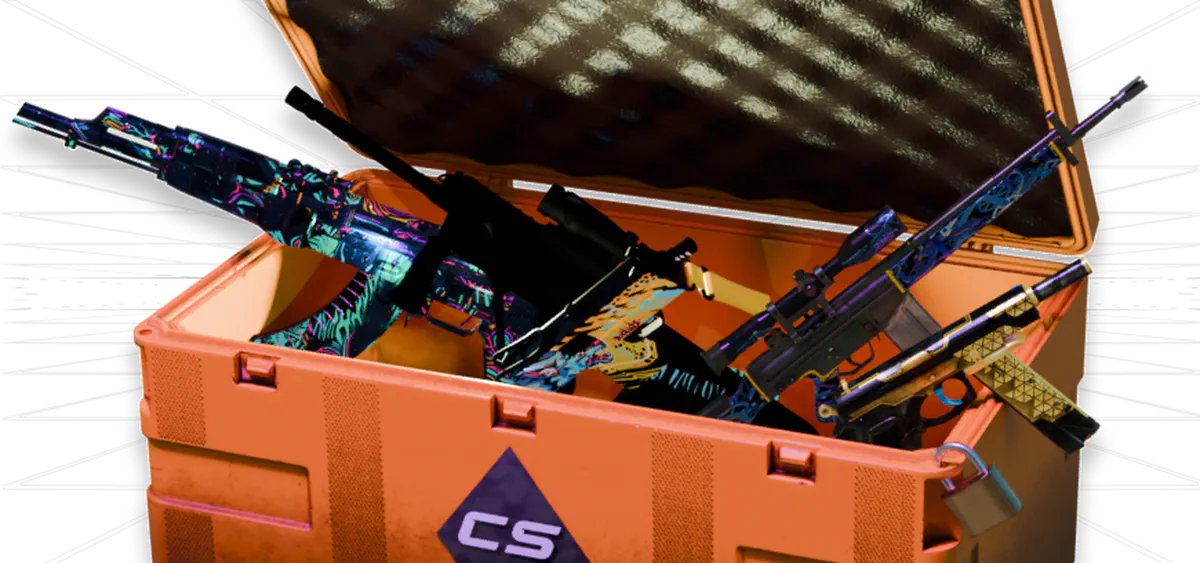
CS2 skins are cosmetic items that change the appearance of weapons or other in-game equipment without necessarily changing the core gameplay mechanics. Some skins are common and relatively inexpensive, while others can be rare and command significantly higher prices in secondary markets.
The value of a skin can depend on several factors, including rarity, condition, popularity, pattern, exterior quality, demand, and available supply. Certain knives, gloves, and highly desirable weapon finishes may attract considerable interest from collectors and traders.
Before attempting international sales, sellers should understand exactly what they own and how the relevant trading system works. A basic understanding of skin characteristics makes it easier to compare prices and recognize unusual offers.
What Does Selling CS2 Skins Internationally Mean?
The phrase selling CS2 skins internationally PlayBattleSquare can describe the process of offering Counter-Strike 2 cosmetic items to buyers located in different countries or regions. International selling introduces additional considerations because buyers and sellers may use different currencies, payment systems, and marketplace rules.
A seller may encounter buyers from North America, Europe, Asia, or other regions. While digital transactions can cross borders relatively easily, the payment and legal environment can vary between locations.
International sellers should therefore examine the rules of the marketplace they use and verify whether its services are available in their country. Understanding these requirements before listing an item can prevent unnecessary problems later.
Choosing a Suitable Marketplace
One of the first decisions a seller must make is where to offer a skin. Different marketplaces may use different pricing structures, payment methods, listing systems, and withdrawal options.
Some platforms focus primarily on skin trading, while others provide broader digital-item marketplaces. The level of buyer activity can also vary considerably between platforms.
When comparing marketplaces, sellers can examine transaction fees, withdrawal methods, supported currencies, account requirements, security measures, and customer support. It is also useful to understand whether the marketplace provides direct sales, automated trading, or another transaction model.
The goal should be to choose a legitimate platform whose rules and services match the seller’s requirements.
Researching Skin Prices
Pricing is one of the most important parts of selling CS2 skins. A seller who sets a price far above current market demand may struggle to find a buyer, while pricing an item too low could reduce the seller’s potential return.
Market prices can change frequently because they are influenced by supply, demand, game updates, player interest, market sentiment, and broader trading activity. Rare items can experience especially noticeable price changes when collector interest increases or decreases.
Before listing a skin, sellers should compare recent prices for the same or similar item. Looking at multiple listings can provide a better understanding of the current market than relying on one advertised price.
Understanding Skin Condition
CS2 skins can have different exterior conditions, and this characteristic can affect their market value. Common condition categories include Factory New, Minimal Wear, Field-Tested, Well-Worn, and Battle-Scarred.
The exact value difference between conditions depends on the particular skin. For some items, condition can have a significant effect on demand. For others, buyers may place greater importance on rarity or pattern.
Sellers should accurately identify the condition of the item before creating a listing. Providing incorrect information can lead to disputes and reduce buyer confidence.
Float Value and Skin Details
For certain skins, float value provides more detailed information about the item’s wear level. Two skins with the same general exterior category can sometimes have different float values.
Collectors may pay attention to these differences when searching for particularly clean examples or unusual combinations. Some specialized skins may also have pattern characteristics that influence collector interest.
A seller who understands these details can describe an item more accurately. However, claims about rarity or exceptional value should be supported by verifiable information rather than exaggerated marketing.
International Currency Differences
Currency conversion is another important consideration when selling internationally. A skin may be listed in U.S. dollars while a buyer views the price in euros, pounds, or another currency.
Exchange rates can change over time, meaning the effective price may differ between currencies. Payment providers may also apply their own conversion rates or fees.
Sellers should understand how the selected marketplace handles currency conversion. Comparing the final amount received after conversion and fees is more useful than looking only at the headline sale price.
Transaction Fees
International marketplaces may charge different types of fees. These can include listing fees, selling commissions, withdrawal charges, payment-processing costs, or currency-conversion fees.
A skin that sells for a particular amount does not necessarily result in the seller receiving that full amount. The net proceeds depend on the marketplace’s fee structure and the withdrawal method.
Before listing expensive items, sellers should calculate the expected net amount. This allows them to compare marketplaces based on what they actually receive rather than simply comparing advertised sale prices.
Payment Methods
Payment methods can vary significantly between international marketplaces. Depending on the platform and country, sellers may have access to bank transfers, digital payment systems, marketplace balances, or other withdrawal methods.
The seller should confirm that the payment method is officially supported and available in their region. Avoiding unofficial payment arrangements can reduce exposure to fraud and transaction disputes.
It is also important to understand whether a payment is reversible. A seller should not assume that receiving a payment notification automatically means the transaction is final.
Protecting Your Steam Account
Account security should be a major priority when selling CS2 skins. Valuable digital items can make gaming accounts attractive targets for phishing attacks and other forms of fraud.
Sellers should use strong, unique passwords and enable available account-security features. Login information, authentication codes, recovery details, and private account information should never be shared with another person.
A legitimate marketplace should not require a seller to provide sensitive authentication information through unofficial channels. If a website or individual asks for unusual credentials or requests that security protections be disabled, the seller should treat the situation cautiously.
Avoiding Scams
Scams are one of the most significant risks in digital-item trading. Fraudsters may impersonate buyers, marketplace representatives, friends, administrators, or other traders.
Common warning signs include pressure to complete a transaction quickly, requests to move communication to unfamiliar platforms, fake payment confirmations, suspicious links, and offers that appear unusually attractive.
Sellers should independently verify transaction details through the official marketplace rather than relying on screenshots or messages supplied by another person.
When selling CS2 skins internationally PlayBattleSquare is the subject of research, security should be considered just as important as pricing. A profitable transaction is not useful if the seller loses access to an account or valuable digital items.
Understanding Trade Offers
CS2-related trading can involve item-for-item exchanges rather than direct sales. In these situations, sellers need to carefully inspect the items included in a trade before confirming it.
Scammers sometimes use similar-looking items or manipulate trade discussions to create confusion. A seller should verify the exact item, condition, and relevant details before accepting a transaction.
Never rely solely on the name or appearance of an item. Carefully checking the actual trade information can reduce mistakes.
International Buyer Communication
Selling internationally can involve communication with buyers who speak different languages or use different communication styles. Clear descriptions can reduce misunderstandings.
A listing should provide accurate information about the skin, condition, relevant characteristics, asking price, and transaction process. Sellers should avoid making promises that the marketplace cannot support.
Professional communication also helps establish trust. If a buyer asks questions about an item, responding clearly and consistently can make the transaction easier for both parties.
Legal and Platform Rules
Digital-item transactions are subject to platform rules, and sellers should understand the terms that apply to their accounts and marketplace activity. Rules can change, so information from older guides may no longer be accurate.
Some platforms may restrict certain types of transactions, payment methods, or geographic regions. Sellers should review the current rules before attempting an international transaction.
Tax obligations may also vary depending on the seller’s country and circumstances. Anyone conducting substantial or regular digital-item sales should consider obtaining appropriate local financial or tax guidance rather than assuming that all online transactions are treated identically.
Timing a Sale
There is no universal best time to sell a CS2 skin. Market conditions can change based on game updates, new collections, esports events, changes in player interest, and supply levels.
Some sellers prefer to list when demand appears strong, while others may prioritize immediate liquidity. The appropriate approach depends on the seller’s objectives.
Instead of attempting to predict every market movement, sellers can monitor recent transaction prices and marketplace activity. This provides a more practical basis for deciding whether a current listing price is reasonable.
Rare and High-Value Skins
Rare skins require additional care because the financial consequences of mistakes can be greater. Sellers should verify the item’s identity, condition, float value, pattern, and other relevant characteristics before listing.
High-value transactions may also attract more scammers. Buyers or intermediaries may attempt to create urgency or persuade sellers to use unofficial payment methods.
For expensive items, sellers should take additional time to verify every part of the transaction. Rushing a valuable sale can create unnecessary risks.
Building Trust as a Seller
A reliable seller can develop trust by providing accurate descriptions, responding professionally, and following marketplace procedures. Consistency matters when dealing with international buyers because the parties may have no previous relationship.
Maintaining a record of legitimate transactions and following platform rules can also contribute to a positive seller reputation where the marketplace provides such features.
Trust should never depend solely on personal messages. Sellers should use the platform’s official transaction process whenever possible and retain appropriate transaction records.
Common Mistakes to Avoid
New sellers can make several avoidable mistakes. One is failing to compare current prices before listing. Another is overlooking marketplace fees when calculating expected proceeds.
Security mistakes are also common. Clicking an unfamiliar login link, sharing authentication information, or accepting an unverified payment can expose a seller to significant risk.
Another mistake is assuming that every buyer who offers a high price is legitimate. Unusually generous offers should be verified carefully rather than accepted immediately.
A methodical process can help reduce these problems.
A Practical International Selling Process
The process of selling CS2 skins internationally PlayBattleSquare can be approached through several general steps. First, identify the skin and confirm its characteristics. Next, research current market prices and compare legitimate marketplaces.
After selecting a marketplace, review its seller requirements, fees, payment options, and regional availability. Create an accurate listing and clearly describe the item.
When a buyer purchases the skin, follow the marketplace’s official transaction process. Verify the transaction status directly through the platform before transferring or confirming anything.
Finally, confirm the final payment or withdrawal amount and keep relevant transaction records. This structured approach can make international selling easier to manage.
Future of CS2 Skin Trading
Digital-item markets continue to evolve alongside online gaming. Improvements in marketplace technology, payment systems, authentication, and fraud prevention may influence how players buy and sell skins in the future.
At the same time, market values will continue to depend on player demand, supply, game updates, and collector interest. Sellers should therefore avoid assuming that today’s prices will remain unchanged.
The future of CS2 skin trading will likely involve increasingly sophisticated marketplaces and greater emphasis on security, transparency, and user protection.
Conclusion
Selling CS2 skins internationally PlayBattleSquare involves more than placing a virtual item on a marketplace. Sellers need to understand skin characteristics, current pricing, marketplace fees, currency conversion, payment methods, security practices, and international transaction considerations.
Researching a skin’s condition, float value, rarity, and demand can help create a more accurate listing. Comparing marketplace fees and withdrawal options can also help sellers understand their potential net proceeds. Most importantly, account security and scam awareness should remain priorities throughout the process.
International CS2 skin trading can be an interesting part of the wider gaming economy, but digital assets carry risks and market prices can change. By using legitimate platforms, verifying transaction details, protecting account credentials, and following applicable rules, sellers can approach the process with greater awareness and caution.

