

Introduction
Understanding your face shape can help you make better decisions about hairstyles, glasses, makeup, and personal styling. However, identifying your face shape by looking in the mirror is not always easy. Different facial features, including forehead width, cheekbone structure, jawline, and overall face length, can make it difficult to determine whether your face is oval, round, square, heart-shaped, or diamond-shaped. Modern technology offers a convenient way to explore these differences without relying entirely on manual measurements.
This is where face shape AI becomes useful. Artificial intelligence can analyze facial proportions through an uploaded photograph and provide an estimated face shape based on visible features. Instead of spending time comparing your appearance with different face-shape charts, you can use an AI-powered tool to receive a quick assessment. These tools are becoming increasingly interesting for people who want personalized beauty suggestions and a better understanding of their facial structure.
What Is Face Shape AI?
Face shape AI refers to technology that uses artificial intelligence and facial analysis to estimate the shape of a person’s face. It examines different facial points and proportions, such as forehead width, cheekbone placement, jawline structure, and the distance between the upper and lower parts of the face. By comparing these measurements with common face-shape patterns, the system can suggest which category most closely matches the uploaded photograph.
Unlike traditional face-shape identification methods, AI-powered analysis can process several facial characteristics together. This makes the experience more convenient for beginners who may not know how to measure their face accurately. Some tools also provide additional styling recommendations based on their analysis. However, the results should be considered estimates rather than professional or medically precise measurements because lighting, camera angles, facial expressions, and image quality can influence the outcome.
How Does AI Face Shape Detection Work?
Artificial intelligence face detection generally begins by identifying a face within an uploaded image. The technology then recognizes important facial landmarks, which may include the forehead, temples, cheekbones, chin, and jawline. These points help the system understand the overall proportions of the face. Depending on the tool, the analysis may also examine the relationship between facial width and length.
After identifying these characteristics, the algorithm compares the detected proportions with patterns associated with different face shapes. For example, a face with similar width at the forehead and jawline may be classified as square or rectangular, depending on its length and other features. A face with a wider forehead and narrower chin may receive a heart-shaped classification. The final result is usually presented as a suggested category, sometimes accompanied by styling advice or a visual explanation.
Different Types of Face Shapes
Understanding the main face-shape categories makes it easier to interpret the results of an online facial analysis. Although individual faces naturally vary, several common classifications are used by beauty professionals and digital styling platforms.
1. Oval Face Shape
An oval face is generally longer than it is wide, with a gently rounded jawline and balanced forehead and cheekbone proportions. It is often considered a versatile face shape because many hairstyles, glasses, and makeup techniques can complement its natural structure. People with oval faces may experiment with short haircuts, long layers, side parts, and different frame styles without needing to create significant visual balance.
2. Round Face Shape
A round face usually has similar width and length measurements, with fuller cheeks and a softly curved jawline. The overall appearance is naturally rounded, without prominent angular features. Hairstyles with additional height or longer layers can create an elongated visual effect. Rectangular glasses and certain makeup techniques may also help introduce definition around the cheekbones and jawline.
3. Square Face Shape
A square face is commonly identified by a broad forehead, prominent cheekbones, and a relatively strong jawline. The width of the forehead and jawline may be quite similar, creating a balanced but angular appearance. Soft layers, textured hairstyles, and rounded glasses can complement these proportions. Makeup techniques that add subtle definition may also highlight the natural facial structure.
4. Heart Face Shape
A heart-shaped face generally features a wider forehead and cheekbone area with a narrower chin. Some people also have a noticeable widow’s peak, although it is not required for this classification. Hairstyles that add volume around the lower face can create a balanced appearance. Choosing glasses with softer lower edges may also complement this facial structure.
5. Diamond Face Shape
A diamond face typically has prominent cheekbones, a narrower forehead, and a relatively pointed chin. The cheekbones are often the widest part of the face. Side-swept hairstyles, layered cuts, and carefully selected glasses can help complement these proportions. This face shape may appear angular because of its distinctive cheekbone structure.
6. Rectangle or Oblong Face Shape
A rectangular or oblong face is generally longer than it is wide, with relatively straight sides and a more elongated appearance. The forehead, cheeks, and jawline may have similar widths. Hairstyles with side volume, waves, and shorter layers can help create a balanced appearance. Wider glasses may also complement the proportions of an elongated face.
Benefits of Using AI for Face Shape Analysis
One of the biggest advantages of modern facial analysis technology is convenience. People no longer need to depend entirely on measuring tapes or comparing several photographs to understand their facial proportions. An AI-powered platform can provide an initial assessment within a short period, making the process accessible to users with different levels of beauty and styling knowledge.
Another benefit is the possibility of receiving personalized recommendations. Some platforms connect facial analysis with hairstyle suggestions, eyewear selection, and makeup inspiration. This can help users explore different appearance options before visiting a salon or purchasing new glasses. Face shape AI can also introduce beginners to facial proportions and help them understand why certain styling choices may complement their appearance.
How to Use a Face Shape AI Tool
Using an online face-analysis tool is generally straightforward. Most platforms follow a simple process that does not require advanced technical knowledge. However, the quality of the uploaded photograph can influence the accuracy of the estimated result.
Follow these basic steps:
-
Choose an AI tool: Find a facial analysis platform that offers face-shape detection.
-
Upload a photograph: Select a clear image showing your face from the front.
-
Check image quality: Make sure your face is properly illuminated and not covered by accessories.
-
Start the analysis: Allow the system to identify facial landmarks and examine proportions.
-
Review the result: Read the suggested face-shape category and any available explanation.
-
Explore styling ideas: Use the result as a starting point for discovering suitable hairstyles and accessories.
For a more consistent assessment, avoid photographs with strong shadows, extreme camera angles, or filters that significantly change facial proportions.
How Face Shape AI Helps You Choose the Right Hairstyle

Choosing a hairstyle is easier when you understand the general proportions of your face. Different haircuts can create different visual effects, such as adding height, softening angular features, or introducing volume around narrower areas. Facial analysis tools can provide a starting point for exploring these possibilities.
For example, someone with a round face may prefer layered hairstyles that create additional length, while a person with a square face may enjoy soft waves that complement angular features. People with heart-shaped faces might explore chin-length cuts or styles with volume around the jawline. However, face shape should not be the only factor in choosing a haircut. Hair texture, density, lifestyle, personal preferences, and maintenance requirements are equally important.
Choosing Glasses According to Your Face Shape
Eyewear is another area where facial proportions can provide useful guidance. The shape, width, and structure of glasses can influence how balanced a person’s overall appearance looks. Understanding your face shape may help you narrow down different frame styles when shopping for prescription glasses or sunglasses.
For instance, round faces may look balanced with rectangular or angular frames, while square faces may complement rounded or oval designs. Oval faces can generally experiment with several frame shapes, provided the frame size suits their facial proportions. Heart-shaped faces may explore frames that are wider near the bottom, while diamond-shaped faces can consider oval or cat-eye designs. These are styling suggestions rather than strict rules, and personal comfort should always come first.
The Role of AI in Modern Beauty and Personal Styling
Artificial intelligence is gradually changing how people discover beauty products and personal styling ideas. Instead of relying only on general fashion articles, users can explore digital tools that analyze selected visual characteristics and provide recommendations based on their individual appearance. This creates opportunities for more interactive and personalized beauty experiences.
Face shape AI is one example of this development. It combines image recognition with facial landmark detection to make basic appearance analysis more accessible. As technology develops, beauty applications may introduce more advanced features, including hairstyle previews, virtual eyewear testing, and personalized makeup suggestions. These innovations can help users explore different looks before making changes to their appearance. Nevertheless, AI should support personal choices rather than determine what someone should look like.
Is AI Face Shape Detection Accurate?
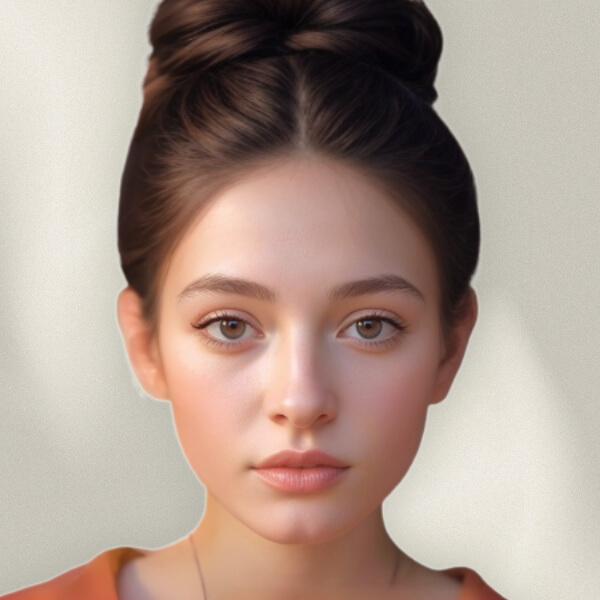
The accuracy of facial analysis depends on several factors, including image quality, lighting conditions, camera position, and the algorithm used by the platform. A clear, front-facing photograph usually provides more useful information than an image captured from an extreme angle. Similarly, hairstyles covering the forehead or jawline may prevent the system from identifying important facial landmarks correctly.
It is also important to understand that face shapes are not always completely separate categories. Many people have a combination of characteristics associated with two different face shapes. For example, someone may have an oval face with a slightly square jawline. Therefore, an AI-generated result should be treated as a helpful suggestion instead of an absolute classification. Comparing the result with your own observations can provide a more realistic understanding.
Privacy and Safety Considerations When Uploading Photos
Facial photographs contain personal visual information, so privacy should be considered before using online analysis platforms. Not every website handles uploaded images in the same way. Some services may process photographs temporarily, while others may store them or use them according to their privacy policies.
Before uploading an image, review the platform’s privacy policy and understand how photographs are processed, stored, and deleted. Prefer services that clearly explain their data practices and provide reasonable privacy controls. Avoid uploading photographs containing unnecessary personal information or other people without their permission. If a platform requests excessive permissions or provides unclear information about image storage, consider choosing another service.
Common Mistakes to Avoid During Face Shape Analysis
Although facial analysis tools are designed to simplify the identification process, certain mistakes can affect the results. One common problem is using a photograph captured from above or below eye level. These angles can change the apparent proportions of the forehead, cheeks, and jawline. Poor lighting may also create shadows that make facial boundaries harder to identify.
Another mistake is relying on a single result without considering natural variations in facial structure. People sometimes receive different classifications from different platforms because each system may use different detection methods. It is also unhelpful to assume that one face shape is better than another. Every facial structure has its own characteristics, and styling should focus on personal expression, comfort, and confidence rather than following fixed beauty standards.
Future Possibilities of AI-Powered Face Analysis
The future of digital beauty technology may include more detailed facial analysis and interactive styling experiences. Improvements in machine learning and image recognition could make facial landmark detection more consistent across different lighting conditions and camera qualities. Beauty applications may also combine face-shape identification with virtual hairstyle previews, makeup simulations, and eyewear recommendations.
Another possible development is greater personalization. Instead of providing only one face-shape category, future platforms may explain several facial proportions and show how different styling choices affect visual balance. This could make digital beauty tools more informative and practical. However, continued improvements should also focus on transparency, data privacy, and reducing inaccurate classifications across different facial characteristics.
Conclusion
Artificial intelligence has made facial analysis more accessible by offering convenient ways to explore facial proportions and identify possible face-shape categories. From understanding forehead width and cheekbone placement to discovering hairstyles and glasses, these tools can provide useful starting points for personal styling decisions.
Face shape AI is especially helpful for people who want a quick introduction to their facial structure without performing complicated manual measurements. However, its results are estimates and may vary depending on photographs and detection methods. The best approach is to combine digital suggestions with personal preferences and practical styling advice. Ultimately, understanding your face shape should help you explore your appearance with confidence, creativity, and freedom rather than limit your choices.

