

Introduction
Understanding your facial structure can help you make better decisions about hairstyles, glasses, makeup, and personal styling. Everyone has unique facial features, and even small differences in forehead width, cheekbone structure, jawline, and face length can influence overall appearance. Identifying your face shape is a simple way to understand these differences and discover styles that complement your natural features.
A face shape calculator is a useful tool that helps people estimate their face shape by examining a few important facial measurements. Instead of guessing whether your face is round, oval, square, heart-shaped, or diamond-shaped, you can use measurements to get a clearer idea. The process is generally simple and does not require professional equipment. With a mirror, measuring tape, and a little attention, you can learn more about your facial proportions.
What Is a Face Shape Calculator?
A face shape calculator is a digital or measurement-based tool designed to identify the general shape of a person’s face. It typically considers four important measurements: forehead width, cheekbone width, jawline width, and overall face length. By comparing these measurements, the calculator estimates which common facial category most closely matches your structure.
Many online tools allow users to enter their measurements manually, while some modern applications use photographs and facial recognition technology to analyze proportions. Both approaches aim to make face shape identification easier. However, results should be treated as estimates because facial structures do not always fit perfectly into one category. A person’s face may also have characteristics of two different shapes.
Why Is Knowing Your Face Shape Important?
Knowing your face shape can make everyday styling decisions easier. For example, certain hairstyles can highlight cheekbones, balance forehead proportions, or create a softer appearance around the jawline. Similarly, selecting suitable glasses becomes easier when you understand whether your face has rounded, angular, or elongated features.
Makeup techniques can also vary depending on facial proportions. People may use contouring, highlighting, and blush placement to emphasize particular areas. Understanding your natural structure provides a helpful starting point rather than requiring you to follow general beauty trends without considering your individual features.
However, there is no perfect or ideal face shape. Every facial structure has its own characteristics, and styling should be about personal preference rather than changing your appearance to meet unrealistic beauty standards.
The Four Main Measurements Used to Identify Face Shape
Before using a face shape calculator, it helps to understand the measurements involved. These measurements provide a basic picture of your facial proportions and make the identification process more accurate.
1. Forehead Width
Forehead width is measured across the widest part of your forehead, usually between the points above your eyebrows and below your hairline. It helps determine whether your forehead is wider, narrower, or similar in width to your cheekbones.
A wider forehead may be associated with heart-shaped or inverted-triangle faces, while a forehead with proportions similar to the jawline may indicate a square or oval structure.
2. Cheekbone Width
Cheekbone width is measured from one cheekbone to the other across the most prominent points. This measurement is particularly important because cheekbones often represent the widest area of the face.
People with diamond-shaped faces generally have prominent cheekbones that appear wider than their forehead and jawline. Round and oval faces may also have noticeable cheekbones, but their overall proportions differ.
3. Jawline Width
Jawline width helps identify the lower facial structure. You can estimate it by measuring from the tip of your chin toward the angle of your jaw on one side and then accounting for the other side.
A broad, angular jawline is commonly associated with square faces. A narrower or more pointed chin may suggest a heart-shaped or diamond-shaped face.
4. Face Length
Face length is measured vertically from the center of your hairline to the bottom of your chin. This measurement helps distinguish shorter, wider facial structures from longer, narrower ones.
Oval and oblong faces generally have greater vertical proportions than round faces. Comparing face length with cheekbone width can provide useful information about your overall structure.
Different Types of Face Shapes
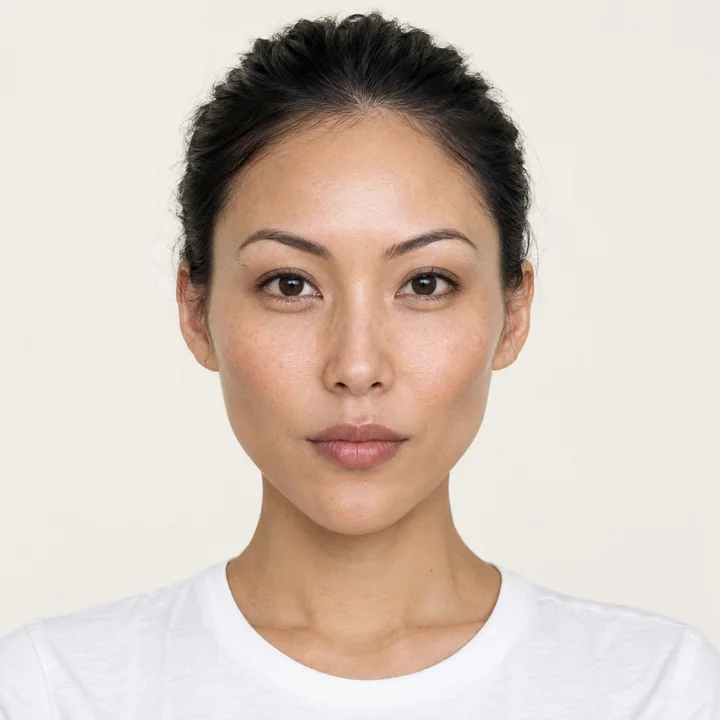
There are several commonly recognized face shapes. Each has distinctive proportions and features. Understanding these categories can help you interpret the results of a facial measurement tool.
Oval Face Shape
Common characteristics An oval face is generally longer than it is wide, with balanced proportions and a softly rounded jawline. The forehead may be slightly wider than the chin, while the cheekbones are often moderately prominent. This shape is commonly considered versatile because many hairstyles and accessories can complement its proportions.
People with oval faces may experiment with different hair lengths, layers, fringes, and glasses styles. Nevertheless, personal preferences and individual features matter more than following fixed styling rules.
Round Face Shape
Layered hairstyles, longer cuts, and styles that add some visual height can complement round facial proportions. Glasses with more angular frames may also create an interesting contrast with naturally rounded features.
Square Face Shape
People with square faces may enjoy soft layers, textured hairstyles, and rounded accessories. These styling choices can create contrast with angular facial features, although bold geometric styles can also look attractive.
Heart Face Shape
Side-swept hairstyles, chin-length layers, and certain medium-length cuts can complement these proportions. Glasses with balanced lower frames may also work well.
Diamond Face Shape
Soft hairstyles, side parts, and frames that balance cheekbone width may complement diamond-shaped facial proportions. The goal is to highlight natural features rather than hide them.
Oblong Face Shape
Shoulder-length hairstyles, waves, and side-swept fringes can add visual balance. Wider glasses frames may also complement this facial structure.
How to Use a Face Shape Calculator Step by Step
Using a face shape calculator is usually straightforward, especially when you have accurate measurements. Follow these steps to understand your facial proportions.
-
Prepare your face: Tie your hair back so your forehead, cheeks, and jawline are clearly visible.
-
Measure your forehead: Find the widest horizontal section of your forehead.
-
Measure your cheekbones: Identify the most prominent points of your cheekbones and measure across them.
-
Measure your jawline: Measure the lower facial area to understand its width and shape.
-
Measure face length: Measure vertically from your hairline to your chin.
-
Compare the results: Enter the measurements into a calculator or compare them with common face shape characteristics.
For more consistent results, take measurements while looking straight into a mirror. Avoid pulling the measuring tape too tightly, and repeat each measurement if you are unsure about the result.
Can You Identify Your Face Shape Using a Photo?
Yes, photographs can help you estimate your face shape without manually measuring every feature. Some digital tools allow users to upload a front-facing photograph and analyze facial proportions automatically.
For better results, use a clear photograph taken in natural lighting. Keep your head straight, maintain a neutral expression, and move your hair away from your face. Avoid photographs taken from extreme angles because camera perspective can change how wide or long your face appears.
Although image-based analysis can be convenient, it may not always identify facial proportions correctly. Lighting, camera distance, hairstyle, facial expression, and image quality can influence the outcome. Manual measurements can provide an additional way to check the result.
Best Hairstyles for Different Face Shapes
Hairstyles can influence how facial proportions appear. Understanding your face shape gives you a useful starting point when selecting a haircut, although hair texture, thickness, lifestyle, and personal taste are equally important.
For oval faces, layered cuts, long waves, short bobs, and different fringe styles can offer plenty of flexibility. Round faces may look balanced with longer layers, textured cuts, or hairstyles that create additional height. Square faces can experiment with soft waves, layered lengths, and side parts that introduce movement around the jawline.
Heart-shaped faces may benefit from styles that add fullness around the chin, while diamond-shaped faces can experiment with side-swept layers and hairstyles that frame the cheekbones. For oblong faces, waves, curls, and fuller side sections can create an impression of width.
Choosing Glasses According to Your Face Shape
Choosing glasses becomes easier when you understand your facial structure. The right frame can complement your features and create a balanced appearance.
Round faces may look interesting with rectangular or angular frames because they introduce contrast. Square faces can experiment with oval or rounded frames that soften strong angles. Oval faces often work with several frame designs because of their balanced proportions.
Heart-shaped faces may suit lighter frames or styles with wider lower sections. Diamond-shaped faces can consider oval or cat-eye frames, while oblong faces may benefit from wider frames with noticeable horizontal details.
These are general suggestions rather than strict rules. Comfort, frame size, lens requirements, and personal style should always be considered before making a purchase.
Common Mistakes to Avoid When Identifying Face Shape
Although identifying facial proportions is relatively simple, certain mistakes can affect the result. One common problem is measuring the face while hair covers the forehead or cheeks. This can make some areas appear narrower or wider than they actually are.
Another mistake is relying on a single photograph taken from an unusual angle. Camera distortion can change facial proportions, especially when the camera is positioned too close. People may also confuse round and oval faces because both can have soft jawlines, even though their length-to-width proportions are different.
A face shape calculator should therefore be used as a helpful guide rather than an absolute measurement of beauty or identity. If your results appear different across several tools, compare the actual measurements and focus on the features that remain consistent.
Are Online Face Shape Calculators Accurate?
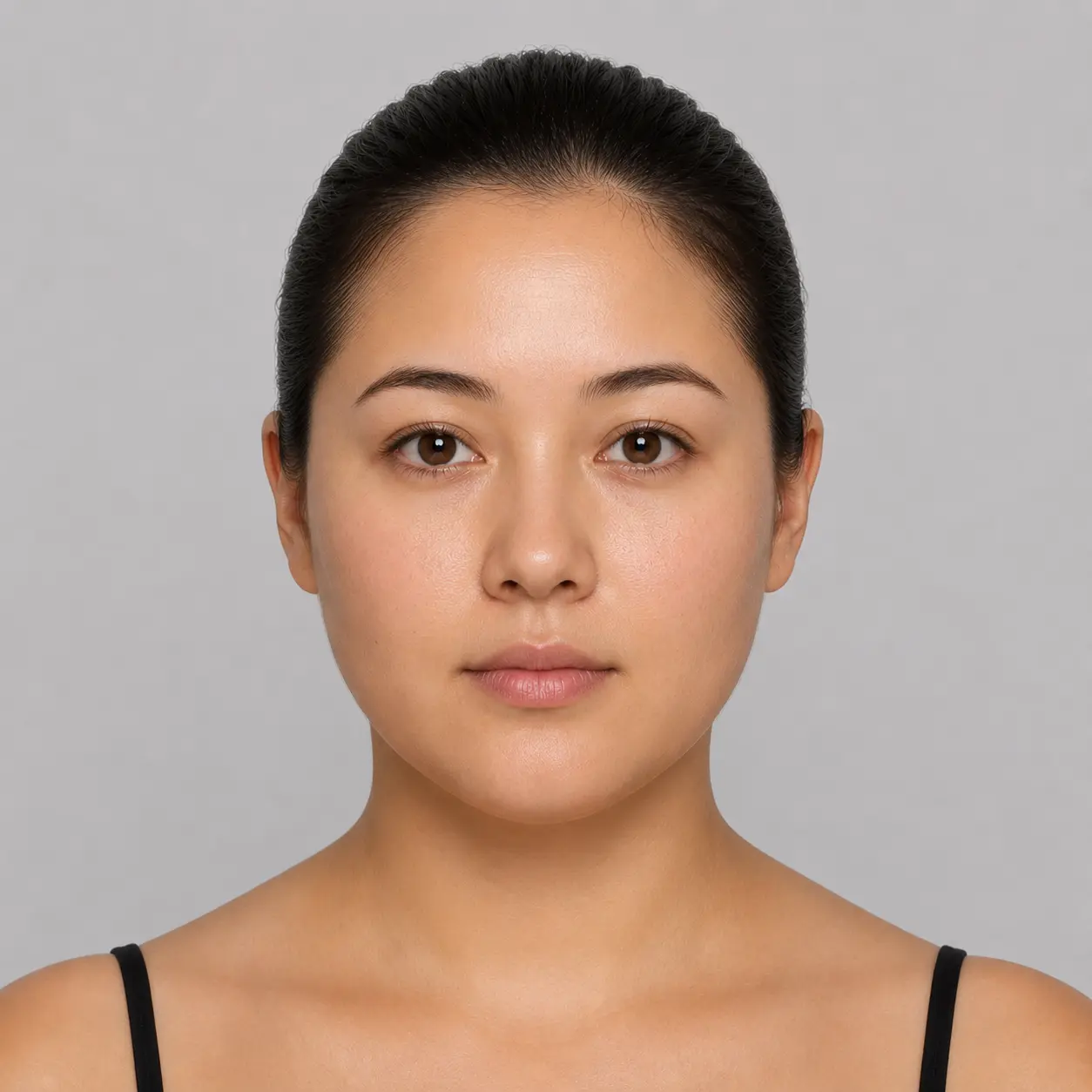
Online calculators can provide a convenient estimate, but their accuracy depends on the method they use. Measurement-based calculators rely on the information entered by the user. If the measurements are incorrect, the final result may also be inaccurate.
Photo-based tools use image analysis to identify facial landmarks and estimate proportions. Their performance can vary depending on image quality, lighting, camera angle, and the technology behind the application.
It is also important to remember that face shapes exist on a spectrum. Some people have a combination of oval and diamond characteristics, while others may have features that resemble both square and oblong shapes. Therefore, a calculator should support your understanding rather than determine a permanent label.
How Face Shape Knowledge Helps With Personal Styling
Understanding facial structure can make personal styling more practical. Instead of choosing hairstyles, glasses, or makeup techniques simply because they are popular, you can explore options that work with your natural proportions.
For example, someone with prominent cheekbones may prefer hairstyles that frame the sides of the face, while someone with a broad jawline might experiment with soft layers. Makeup placement can also be adjusted according to individual preferences and facial features.
The purpose of using a face shape calculator is not to create a strict set of beauty rules. It is to provide information that helps people understand their appearance and make confident styling decisions. Trying different options is often the best way to discover what feels comfortable and looks appealing.
Frequently Asked Questions (FAQs)
1. How do I know what my face shape is?
You can identify your face shape by measuring your forehead, cheekbones, jawline, and overall face length. Comparing these measurements helps you estimate whether your face is oval, round, square, heart-shaped, diamond-shaped, or oblong.
2. Can I find my face shape without measuring?
Yes. You can examine your facial outline using a front-facing photograph or a mirror. Look at the widest part of your face, your jawline, and the overall length to estimate your facial category.
3. Which face shape is the most common?
Oval and round facial structures are commonly discussed in beauty and styling guides. However, there is no universally accepted ranking because face shape classifications vary and many people have mixed characteristics.
4. Does face shape change with age?
Facial appearance can change with age because of natural changes in skin elasticity, facial fat distribution, muscle structure, and other factors. These changes may influence how prominent certain facial features appear.
5. Can hairstyles make my face look different?
Yes. Hair length, volume, layers, bangs, and parting styles can change the visual balance of your facial proportions. A suitable hairstyle can highlight certain features and create a different overall appearance.
Conclusion
Understanding your facial structure is a useful step toward making informed personal styling decisions. By examining forehead width, cheekbone width, jawline structure, and face length, you can identify the general category that best describes your appearance. Different face shapes have unique characteristics, and each offers plenty of opportunities for experimenting with hairstyles, glasses, and makeup.
A face shape calculator makes this process easier by organizing facial measurements or analyzing photographs to provide an estimated result. However, no digital tool can perfectly describe every individual’s unique features. Use the result as a starting point, explore different styling ideas, and choose what makes you feel confident. Ultimately, your natural appearance is unique, and there is no single face shape that defines beauty.

