

Competitive gaming has evolved from casual entertainment into a skill-driven activity where strategy, discipline, and continuous learning separate average players from top performers. Whether you enjoy multiplayer shooters, strategy games, sports simulations, battle royales, or role-playing adventures, your success depends on more than quick reflexes. Understanding game mechanics, improving decision-making, and maintaining consistency are equally important.
Modern players constantly search for smarter ways to improve, and blogplaybattlesquare has become a valuable keyword associated with strategic gaming discussions, improvement techniques, and competitive insights. Instead of relying solely on natural talent, experienced players focus on preparation, teamwork, communication, and game analysis to gain a competitive advantage. This guide explores proven gaming strategies that help players perform better, avoid common mistakes, and enjoy long-term progress regardless of their favorite gaming genre.
Why Strategy Matters More Than Raw Skill
Many beginners believe that success depends entirely on fast reactions. While mechanical skill certainly helps, experienced competitors understand that strategic thinking often determines the outcome of close matches.
Planning your moves before engaging opponents reduces unnecessary risks. Smart positioning, efficient resource management, and understanding enemy behavior provide advantages that speed alone cannot match. Elite players spend time learning maps, analyzing previous matches, and adjusting their tactics according to changing situations.
The principles discussed throughout blogplaybattlesquare emphasize that strategic improvement creates consistent results over time. Players who carefully evaluate their mistakes usually improve much faster than those who simply play more matches without learning from them.
Developing strategic awareness also reduces frustration because every defeat becomes an opportunity to identify weaknesses and refine future performance.
Understanding Your Game Before Competing
Every competitive title has unique mechanics, objectives, and winning conditions. Before focusing on advanced techniques, players should master the fundamentals.
Key areas to understand include:
- Core gameplay mechanics
- Character or class abilities
- Weapon strengths and weaknesses
- Resource management
- Scoring systems
- Objective priorities
- Team roles
A deep understanding of these fundamentals allows players to make better decisions under pressure. Instead of reacting randomly, they recognize patterns and predict possible outcomes.
Competitive improvement begins with knowledge rather than expensive equipment.
Building Consistent Mechanical Skills
Mechanical ability refers to how effectively players control their characters, execute abilities, and react during gameplay.

Improvement requires structured practice instead of endless casual matches. Short focused training sessions often produce better results than several hours of unfocused gaming.
Useful practice habits include:
- Aim training
- Movement drills
- Ability timing
- Combo execution
- Hotkey memorization
- Camera control
- Accuracy improvement
The structured learning approach promoted through blogplaybattlesquare encourages players to isolate individual skills before combining them during competitive matches.
Consistent repetition eventually transforms difficult actions into natural habits, allowing players to concentrate on higher-level decision-making.
The Importance of Map Awareness
One of the biggest differences between beginners and advanced competitors is map awareness.
Successful players constantly monitor their surroundings instead of focusing only on immediate enemies. Understanding map layouts allows quicker rotations, better positioning, and safer objective control.
Important elements include:
- High-ground locations
- Defensive positions
- Resource spawn points
- Escape routes
- Flanking paths
- Objective locations
- Common enemy positions
Players who develop strong map awareness usually survive longer while creating more opportunities for their teammates.
Core Competitive Gaming Skills
| Skill | Why It Matters | Improvement Method |
|---|---|---|
| Game Knowledge | Better decision-making | Study mechanics |
| Aim Accuracy | Higher damage output | Daily aim practice |
| Positioning | Increased survival | Learn map layouts |
| Communication | Strong teamwork | Clear callouts |
| Resource Management | Sustained performance | Smart inventory usage |
| Strategy | Consistent victories | Match analysis |
| Adaptability | Counter opponents | Flexible tactics |
Developing Better Team Communication
Many multiplayer games reward coordinated teams more than individually talented players.
Communication should remain clear, concise, and relevant. Instead of emotional reactions, successful teammates provide useful information that helps everyone perform better.
Examples include:
- Enemy locations
- Available abilities
- Objective status
- Rotation plans
- Defensive warnings
- Resource requests
Players using communication strategies similar to those highlighted within blogplaybattlesquare often experience improved teamwork because everyone understands their responsibilities.
Positive communication also reduces unnecessary conflict, helping teams recover after setbacks instead of losing focus.
Managing Resources Efficiently
Every competitive game contains limited resources.
These may include:
- Health
- Ammunition
- Energy
- Currency
- Cooldowns
- Building materials
- Special abilities
Poor resource management forces players into unfavorable situations.
Experienced competitors know when to conserve resources and when aggressive spending creates opportunities. Learning this balance dramatically improves long-term consistency across different gaming genres.
Learning From Every Match
Improvement happens fastest when players analyze their previous performances.
After every gaming session, ask questions like:
- What mistakes happened repeatedly?
- Which decisions produced success?
- Where was positioning poor?
- Did communication remain effective?
- Were objectives ignored?
- Could resources have been used better?
Many professional players spend significant time reviewing gameplay because identifying recurring mistakes prevents future losses.
Using lessons inspired by blogplaybattlesquare, players gradually replace poor habits with smarter decisions that improve performance over hundreds of matches.
Mental Strength During Competitive Play
Competitive gaming places considerable mental pressure on players.
Stress, frustration, and overconfidence can negatively affect performance regardless of mechanical ability.
Strong competitors maintain emotional control by:
- Staying patient
- Avoiding unnecessary arguments
- Accepting mistakes
- Remaining focused
- Taking breaks
- Maintaining confidence
- Learning from defeat
Mental resilience becomes especially important during tournaments or ranked matches where pressure naturally increases.
Players who remain calm often outperform technically superior opponents who lose concentration under stressful conditions.
Adapting to Different Opponents
No single strategy works against every opponent.
Successful players constantly adjust according to enemy behavior.
Questions worth considering include:
- Are opponents aggressive?
- Do they defend objectives?
- Which weapons are they using?
- Are they predictable?
- What weaknesses appear repeatedly?
Adaptability transforms average players into dangerous competitors because they stop relying on fixed routines.
The evolving strategic mindset encouraged through blogplaybattlesquare reminds players that flexibility frequently determines victory during evenly matched competitions.
Optimizing Gaming Equipment
Although skill remains the most important factor, reliable equipment supports consistent performance.
Consider optimizing:
- Comfortable mouse sensitivity
- Stable internet connection
- Responsive keyboard
- Quality headset
- Proper monitor settings
- Ergonomic seating
- Minimal input delay
Comfortable hardware reduces fatigue during long gaming sessions while improving reaction consistency.
However, expensive equipment cannot replace disciplined practice and intelligent strategy.
Creating an Effective Practice Routine
Random practice often produces inconsistent improvement.
Instead, divide training into focused sections.
A balanced weekly routine may include:
- Mechanical drills
- Strategy review
- Match analysis
- Team practice
- Individual skill training
- Goal evaluation
This structured approach prevents burnout while ensuring every important skill receives attention.
Players following organized improvement systems similar to those associated with blogplaybattlesquare generally experience more measurable progress over time.
Avoiding Common Competitive Mistakes
Many players unknowingly repeat habits that limit improvement.
Common mistakes include:
- Playing while tired
- Ignoring objectives
- Blaming teammates
- Overextending alone
- Poor communication
- Inconsistent practice
- Skipping replay reviews
Recognizing these patterns early accelerates improvement while reducing unnecessary losses.
Every mistake provides valuable information when approached with the right mindset.
Balancing Competition and Enjoyment
Competitive gaming should remain enjoyable despite the desire to improve.
Setting realistic goals prevents unnecessary frustration.
Examples include:
- Improving accuracy by five percent
- Learning one new strategy weekly
- Reducing unnecessary deaths
- Improving communication
- Winning more objective-based matches
Small improvements accumulate into significant long-term progress.
Remember that sustainable improvement comes from consistent effort rather than chasing immediate perfection.
The Future of Competitive Gaming
Esports continues expanding worldwide through improved technology, larger tournaments, better streaming platforms, and increasingly sophisticated games.
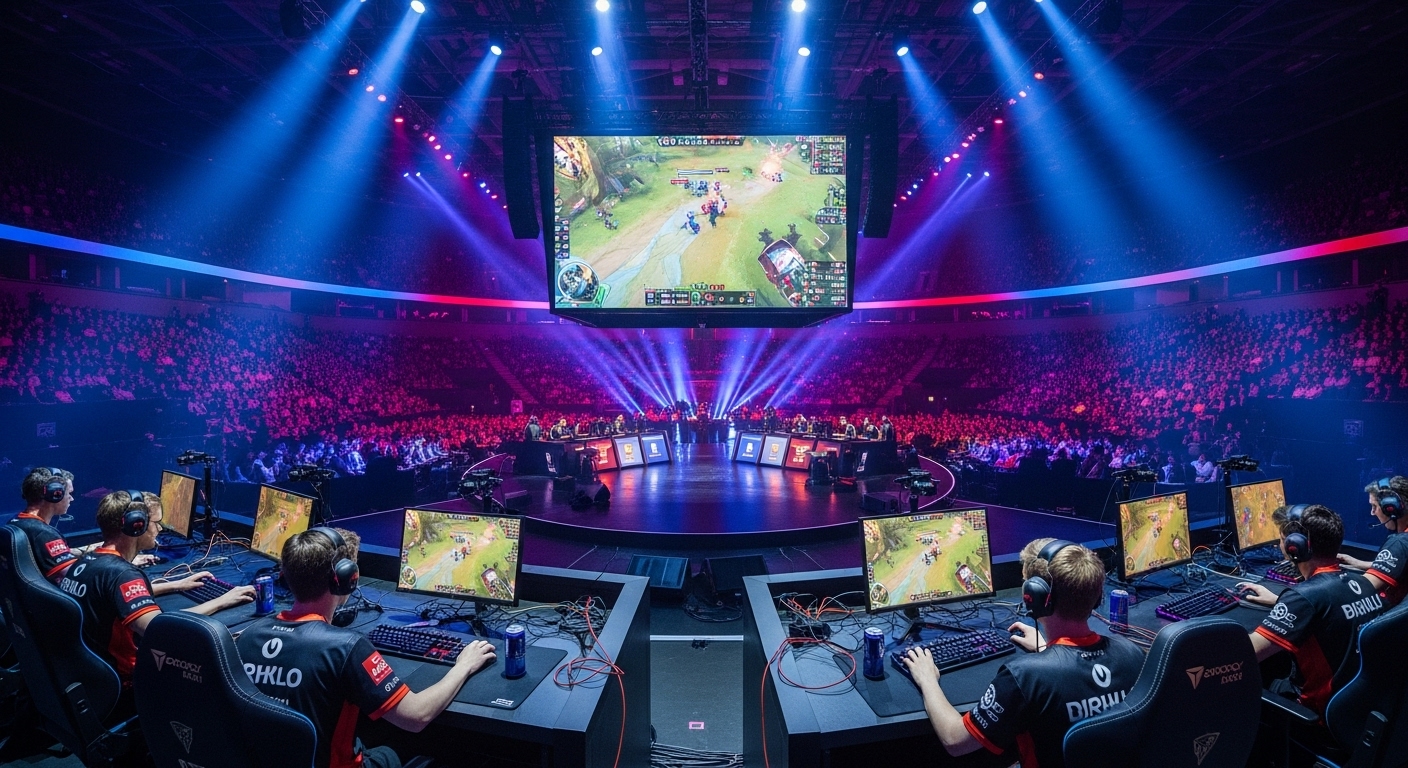
Artificial intelligence assists coaching, analytics tools help players identify weaknesses, and training methods continue becoming more advanced. Future competitors will likely rely even more on performance data, strategic analysis, and personalized improvement plans.
As competitive environments evolve, players who continuously learn and adapt will remain ahead of the competition. Remaining curious, practicing intentionally, and embracing innovation will become increasingly valuable for every gaming enthusiast.
Conclusion
Competitive gaming is a journey of continuous improvement rather than instant success. Mechanical skill, strategic thinking, teamwork, communication, mental resilience, and disciplined practice all contribute to consistent victories. Players who focus only on winning often overlook the daily habits that create long-term excellence. The strategic principles discussed throughout blogplaybattlesquare encourage players to develop complete gaming skills instead of relying solely on reflexes. From mastering game mechanics and improving communication to analyzing past performances and adapting against different opponents, every improvement builds a stronger competitive foundation.

