

Introduction
Counter-Strike 2 has developed a large global community around competitive gameplay, item collecting, trading, and cosmetic customization. Among these activities, CS2 skins have become a notable part of the game’s digital economy. Players may collect skins for personal use, trade items with other users, or explore marketplaces where eligible items can be exchanged. Selling CS2 skins internationally PlayBattleSquare can therefore be understood as a topic involving global buyers, sellers, digital marketplaces, item values, payment considerations, and account security. International selling can introduce additional considerations because buyers and sellers may be located in different countries and use different currencies and payment methods. Anyone exploring this area should understand marketplace rules, transaction procedures, fees, regional restrictions, and security practices before completing a sale.
Understanding CS2 Skins and Their Value
CS2 skins are cosmetic items that change the appearance of weapons or other in-game equipment without generally changing the core performance of the weapon. Their perceived value can vary significantly depending on factors such as rarity, condition, popularity, design, demand, and market availability. Some skins are widely available, while others are much less common and may attract collectors.
The value of a skin can also change over time. Market demand, game updates, community interest, item availability, and broader trading activity may influence prices. Because of this, sellers should avoid assuming that an item has a permanent or guaranteed value. A skin purchased or obtained at one price may later be worth more or less depending on market conditions. Understanding these factors is important for anyone researching selling CS2 skins internationally PlayBattleSquare and considering transactions with buyers from different regions.
How International CS2 Skin Selling Works
International selling generally involves listing an eligible digital item on a marketplace or using a supported trading system. Depending on the platform, sellers may create a listing, choose an asking price, wait for a buyer, and then complete the transaction through the platform’s established process.
The exact process varies between marketplaces. Some platforms may support direct sales, while others may operate through marketplace listings or trading systems. Currency conversion can also become relevant when a buyer and seller use different currencies. Sellers should carefully review how the platform displays prices, calculates fees, handles withdrawals, and processes transactions before accepting an offer.
When researching selling CS2 skins internationally PlayBattleSquare, it is particularly important to distinguish between official game features, third-party marketplaces, and independent communities. Each environment can have different rules and security procedures.
Choosing a Suitable Marketplace
The marketplace used for selling a CS2 skin can affect the overall transaction experience. Sellers may compare platforms based on supported regions, fees, payment methods, item compatibility, transaction procedures, withdrawal options, and reputation.
A marketplace with a large international user base may provide access to buyers from multiple countries, but that does not automatically mean every transaction is suitable or risk-free. Sellers should understand the platform’s terms before transferring an item. They should also determine whether the marketplace provides transaction protection, how disputes are handled, and whether there are restrictions affecting particular countries.
It is useful to compare the final amount received rather than focusing only on the advertised selling price. A platform may display an attractive price while charging transaction or withdrawal fees that reduce the seller’s final proceeds.
Pricing CS2 Skins for International Buyers
Pricing is one of the most important parts of selling digital game items. A seller needs to understand the current market range for a particular skin before creating a listing. Comparing recent marketplace prices can provide a general indication of demand, although prices may vary between platforms.
Skin condition can also influence pricing. Different wear levels may have different market values, and special characteristics can sometimes affect buyer interest. Rarity, pattern, stickers, popularity, and other item-specific attributes may also contribute to differences in value.
Sellers should avoid relying on a single listing as evidence of market value. A better approach is to examine multiple comparable listings and consider actual transaction prices where available. This can help create a more realistic expectation when selling CS2 skins internationally PlayBattleSquare.
Understanding Marketplace Fees
International transactions can involve several types of fees. Depending on the marketplace, sellers might encounter listing fees, transaction fees, payment processing costs, currency conversion charges, or withdrawal fees.
These costs can affect the final amount received from a sale. For example, a skin listed at a particular price does not necessarily mean that the seller will receive the full listed amount. A percentage or fixed fee may be deducted during the transaction.
Before listing an item, sellers should calculate the expected net amount. This makes it easier to compare marketplaces and determine whether a particular price is reasonable. Understanding fees is especially important when selling lower-value items because fixed charges can represent a larger percentage of the final proceeds.
International Currency and Payment Considerations

Selling to international buyers can involve different currencies. A marketplace may display prices in one currency while allowing users from different countries to participate. Exchange rates can influence the effective value of a transaction when funds are converted.
Payment processing can also vary by country. Some payment methods may not be available everywhere, and certain services may have additional verification or withdrawal requirements. Sellers should use payment methods supported by the marketplace rather than accepting unusual external arrangements from unknown buyers.
Keeping transactions within the platform’s established system can make records easier to maintain and may provide additional safeguards. Users should also understand withdrawal times, minimum withdrawal amounts, currency conversion policies, and account verification requirements before selling.
Protecting Your Gaming Account
Account security is one of the most important considerations when selling CS2 skins. Valuable digital items can attract attempts at phishing, impersonation, fraudulent trade offers, and account theft.
Sellers should never share passwords, authentication codes, recovery information, or private account credentials with another person. Suspicious links should be treated carefully, especially when they appear to imitate familiar gaming or marketplace websites. Users should verify website addresses independently rather than relying on links sent through private messages.
Two-factor authentication and other available account-security features can provide additional protection. Sellers should also regularly review account activity and be cautious when someone creates urgency around a transaction. A legitimate sale generally does not require a seller to bypass normal security procedures.
Avoiding Common CS2 Skin Scams
Scams can take different forms in digital-item markets. A person may pretend to represent a marketplace, offer an unusually attractive price, claim that a payment has already been made, or ask the seller to confirm information through a suspicious website.
Fake trade confirmations and phishing pages are particularly concerning because they may be designed to capture login information or authentication details. Sellers should verify transactions directly through the relevant platform instead of trusting screenshots or messages.
Another warning sign is pressure to complete a transaction outside the normal marketplace process. A buyer may claim that an external payment method is faster or that special verification is required. Sellers should carefully consider such requests and follow the platform’s official procedures instead. Safe transactions depend heavily on verifying information before transferring valuable items.
International Buyers and Seller Communication
Clear communication can make international transactions easier. Buyers and sellers may speak different languages or live in different time zones, so misunderstandings can occur.
Sellers should describe the item accurately and avoid making claims about condition, rarity, or value that cannot be supported. If a marketplace provides standardized item information, sellers should rely on that information when creating listings.
Communication should remain within appropriate marketplace channels whenever possible. Sellers should be cautious when a buyer requests personal information that is unrelated to the transaction. A legitimate sale generally does not require unnecessary details about a person’s identity, banking credentials, or account security information.
Understanding Trading Restrictions
Not every CS2 item can necessarily be sold or transferred immediately. Certain items may have restrictions related to trading, marketplace availability, account status, or recent transactions.
These restrictions can change according to platform rules and game-related policies. Sellers should check the current status of an item before promising it to a buyer. Attempting to work around restrictions can create unnecessary account or transaction problems.
This is another reason why selling CS2 skins internationally PlayBattleSquare should be approached as a process rather than simply listing an item and waiting for payment. Understanding eligibility, transfer rules, marketplace requirements, and transaction conditions can reduce unexpected problems.
Building a Better Selling Strategy
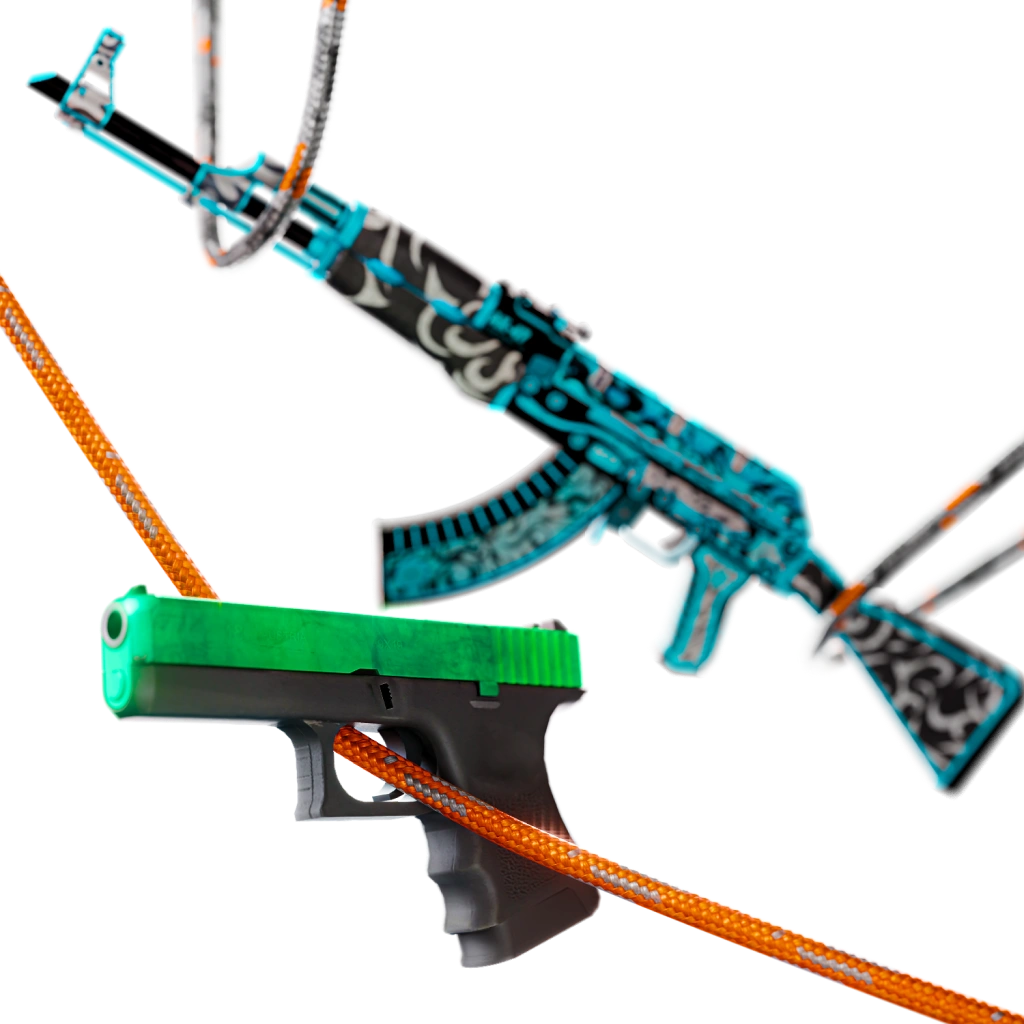
A thoughtful selling strategy begins with research. Sellers can monitor market prices, identify demand for particular items, and compare fees before deciding where to list. Keeping records of purchase prices and sale prices can also help sellers understand their overall transaction history.
Timing may influence the amount a seller receives, but predicting future prices is uncertain. Some items may experience increased interest while others may lose demand. Sellers should therefore avoid assuming that a particular skin will always increase in value.
It can also be useful to organize an inventory before selling. Separating items intended for personal use from items intended for sale makes the process easier. Clear records can help prevent accidental listings and provide a better understanding of the overall collection.
Responsible International Selling
Digital-item selling should be approached responsibly. Sellers should understand the rules of the game, marketplace, payment provider, and country where applicable. Age requirements and regional restrictions may also apply depending on the service being used.
Taxes and reporting requirements can vary by jurisdiction, particularly when transactions become frequent or involve significant amounts. Sellers who conduct regular commercial activity should research the rules applicable to their own location and circumstances.
The goal should be to make informed transactions rather than chase quick profits. A transparent listing, secure account, verified payment, and proper understanding of platform rules can create a more reliable selling experience.
Why PlayBattleSquare Can Be Part of the Discussion
The phrase selling CS2 skins internationally PlayBattleSquare connects the broader world of CS2 skin trading with an audience interested in gaming, digital items, and international transactions. Content surrounding this topic can help readers understand how skin markets operate and what factors should be considered before participating.
However, readers should distinguish informational gaming content from the actual transaction rules of a particular marketplace. Marketplace policies can change, and the availability of specific services may depend on region, account status, or other conditions. Before completing a transaction, users should review the current rules of the service they intend to use.
Practical Tips for New Sellers
New sellers can begin by learning the basic market terminology and understanding how skin condition, rarity, demand, and marketplace fees affect pricing. Starting with lower-value items may also help someone become familiar with the transaction process before handling more valuable inventory.
Security should remain a priority throughout the process. Sellers should use strong account protection, avoid suspicious messages, verify transactions independently, and never disclose private credentials. They should also keep records of relevant transactions and understand how withdrawals work.
When selling CS2 skins internationally PlayBattleSquare, patience can be useful. A seller does not necessarily need to accept the first offer received. Comparing legitimate offers and checking the current market environment can help sellers make decisions based on information rather than pressure.
The Future of CS2 Skin Trading
Digital gaming economies continue to evolve as player communities, marketplaces, developers, and payment systems change. CS2 skins remain part of a broader ecosystem involving digital collectibles, cosmetic customization, trading communities, and online marketplaces.
Future changes could affect how skins are exchanged, how marketplaces operate, or how international transactions are processed. Because of this, sellers should regularly check current platform policies instead of relying entirely on older guides.
The long-term importance of secure transactions will likely remain. Whether the market grows, changes structure, or introduces new systems, users will continue to benefit from understanding digital ownership, account security, pricing, and responsible trading practices.
Conclusion
Selling CS2 skins internationally PlayBattleSquare involves much more than placing a digital item up for sale. Sellers need to understand skin values, marketplace fees, international currencies, payment procedures, trading restrictions, account security, and potential scams. Market prices can change, and different platforms may provide different transaction experiences.
For anyone interested in CS2 skin selling, careful research and secure practices are essential. Comparing legitimate marketplaces, calculating the actual amount received, protecting account credentials, and following platform rules can make the process easier to understand. International selling can connect sellers with a broader audience, but it should always be approached with realistic expectations and attention to security. By learning how digital-item marketplaces operate, players can make more informed decisions when managing, trading, or selling their CS2 skins.

