

Introduction
Online gaming has become an important part of modern digital entertainment, bringing together players who enjoy challenges, competition, creativity, and social interaction. From quick puzzle games to action-packed adventures, digital platforms offer experiences for people with different interests and skill levels. Gaming is no longer limited to dedicated consoles or expensive computers because many games are accessible through smartphones, tablets, and web browsers. This accessibility has made it easier for beginners to explore gaming and for experienced players to discover new challenges.
The playing games blog PlayBattleSquare keyword reflects an interest in gaming-related information, entertainment, and online play. People searching for gaming blogs often want to understand different types of games, learn useful strategies, discover emerging trends, and find ways to make their gaming sessions more enjoyable. A helpful gaming blog can bring these topics together in one place, making it easier for readers to learn before choosing a game. However, players should always evaluate a platform’s features, reliability, and safety rather than assuming that every gaming website provides the same experience.
Understanding the wider gaming environment can help players make informed decisions. Whether someone enjoys casual entertainment after work, competitive matches with friends, or games that require careful planning, the right approach can make gaming more rewarding. This guide explores gaming blogs, popular genres, beginner strategies, responsible gaming habits, and the qualities that make an online gaming experience worthwhile.
Understanding the Purpose of a Gaming Blog
A gaming blog is an online resource that shares information about games, gaming communities, technology, and player experiences. Depending on its focus, it may publish beginner guides, gameplay tips, game reviews, feature explanations, industry updates, and discussions about new releases. These resources can help readers understand a game before investing their time in it. They can also introduce players to genres they might not otherwise consider.
A useful gaming blog should provide clear explanations rather than relying on exaggerated claims. Readers benefit from articles that describe gameplay mechanics, explain difficulty levels, and identify potential advantages or limitations. For example, a guide about strategy games might explain resource management, while an article about racing games could discuss controls, timing, and track awareness. The most valuable content answers practical questions and helps readers decide which experiences suit their interests.
When exploring the playing games blog PlayBattleSquare topic, readers should distinguish between general gaming information and verified details about a specific website. A keyword or website name alone does not establish which games are available, whether registration is required, or how the platform operates. Checking current information, reviewing the site’s policies, and understanding its features can help users develop realistic expectations before getting started.
Popular Types of Online Games
Action and Adventure Games
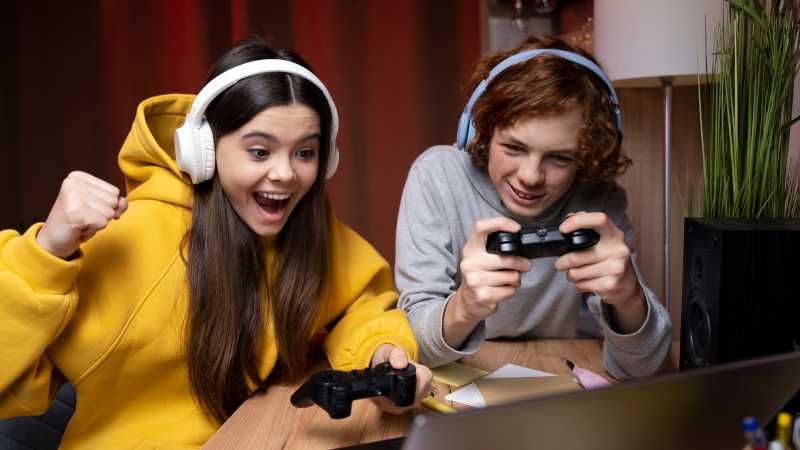
Action games appeal to players who enjoy quick reactions, movement, and challenges that demand concentration. Adventure games often emphasize exploration, storytelling, puzzles, and discovering new environments. Some games combine these elements, allowing players to complete missions while uncovering characters, locations, and hidden objectives. These genres can provide exciting experiences for people who prefer active gameplay instead of slower, more deliberate activities.
Beginners can improve by learning the controls, understanding the objectives, and practicing in easier modes when available. It is also helpful to pay attention to the game’s instructions rather than immediately attempting the most difficult challenges. Developing familiarity with the mechanics often produces better results than repeatedly rushing through levels without a plan.
Puzzle and Brain Games
Puzzle games challenge players to recognize patterns, solve problems, and think logically. They include word games, number challenges, matching activities, riddles, and spatial reasoning exercises. Many puzzle games are suitable for short sessions, making them attractive to people who want entertainment without committing to a lengthy storyline or competitive match.
These games can encourage concentration and structured problem-solving, although their benefits depend on the activity and how it is used. Players should treat them primarily as entertainment rather than assuming that success in a particular game automatically improves every aspect of intelligence. Choosing puzzles at an appropriate difficulty level can make the experience both enjoyable and challenging.
Strategy and Simulation Games
Strategy games reward planning, resource management, and thoughtful decision-making. Players may need to build settlements, manage virtual teams, defend territory, or make decisions based on limited resources. Simulation games recreate activities or systems, including city development, transportation, farming, and business management. Both categories appeal to people who enjoy considering consequences instead of relying entirely on speed.
A practical strategy is to understand the game’s objectives before committing resources. Players should observe how different choices affect progress, learn from unsuccessful attempts, and adjust their approach when necessary. These habits can make complex games easier to understand while keeping the experience engaging.
Multiplayer and Competitive Games
Multiplayer games allow people to compete or cooperate with others. Some focus on teamwork, while others emphasize individual performance, rankings, or tournament-style challenges. Playing with friends can make games more social, and cooperating toward a shared objective can add depth to the experience.
Competitive gaming also requires patience and respectful communication. Players will not win every match, and repeated losses do not necessarily indicate a lack of ability. Reviewing mistakes, practicing specific skills, and treating other participants fairly can create a healthier gaming environment. Users should also be cautious about sharing personal information with people they meet through online games.
How to Get Started With Online Gaming
Starting with online games does not require advanced technical knowledge. The first step is to identify the type of experience you want, such as a casual puzzle, a racing challenge, a multiplayer competition, or a story-driven adventure. This decision can narrow the available options and help you avoid games that do not match your interests. It is also worth considering how much time you want to spend playing.
Next, review the game’s device requirements and compatibility. Some games work through a browser, while others require installation or a particular operating system. Check whether the game is free, includes optional purchases, or requires a subscription. Understanding these details before starting helps prevent unexpected expenses and technical difficulties.
Readers interested in playing games blog PlayBattleSquare can use general gaming guides to learn about common features and responsible online play. Before using any particular platform, verify its official identity, privacy practices, and terms of service. Avoid downloading unfamiliar files or installing browser extensions simply because a website recommends them. A careful introduction to gaming can reduce unnecessary risks while allowing you to focus on entertainment.
Practical Tips for Improving Gaming Skills
Improving at games usually requires practice, observation, and a willingness to learn. Beginners often benefit from mastering basic controls before attempting advanced techniques. Understanding movement, timing, scoring systems, and objectives creates a foundation for more difficult challenges. Reading instructions can also prevent avoidable mistakes, particularly in games with several mechanics or complicated rules.
Another useful approach is to set small, measurable goals. Instead of trying to become an expert immediately, focus on completing one level, improving reaction time, learning a particular move, or understanding a new strategy. Short practice sessions can be more productive when players concentrate on one skill at a time. Taking breaks also helps prevent frustration and fatigue from affecting decision-making.
Players can learn from their mistakes by considering what happened during a difficult level or unsuccessful match. Did they overlook an instruction, act too quickly, or choose an ineffective strategy? Identifying a specific problem makes it easier to test a better approach during the next session. Watching experienced players may provide additional ideas, but techniques should always be adapted to the game’s rules and personal ability.
Features That Make a Gaming Platform Useful
A good gaming platform should be easy to navigate, responsive, and transparent about its features. Clear menus help users locate games, understand instructions, and move between sections without confusion. Useful descriptions should explain the basic objective, controls, compatibility, and any important requirements. When these details are missing, players may struggle to determine whether a game suits their needs.
Performance is another important consideration. A game that loads reliably and responds smoothly can provide a more enjoyable experience than one affected by frequent interruptions. However, performance may also depend on the player’s device, browser, internet connection, and background applications. Checking these factors can help users identify the source of technical problems instead of assuming that every issue comes from the platform.
The playing games blog PlayBattleSquare topic can also encourage readers to evaluate gaming resources according to their actual needs. Some people prioritize simple browser games, while others want detailed guides, community features, or information about new releases. No single platform will necessarily satisfy every player. Comparing available features and reading reliable information can help users choose an option that aligns with their preferences.
Online Gaming Safety and Privacy
Online safety deserves attention whenever users visit gaming websites or interact with other players. A website may request account details, permissions, downloads, or payment information, so it is important to understand why those requests are necessary. Avoid sharing passwords, financial information, home addresses, or other sensitive details in public chats. Use unique passwords and enable additional account protection when it is available.
Players should also be cautious about suspicious offers. Messages promising free rewards in exchange for account credentials, unfamiliar downloads, or urgent payments may be attempts to steal information. Verify promotions through official sources and avoid clicking questionable links. If a game requires an account, review its privacy policy and learn what information it collects and how that information may be used.
Parents and guardians should pay attention to age ratings, communication settings, in-game purchases, and the amount of time children spend playing. Appropriate privacy settings and conversations about online behavior can help younger players recognize unsafe situations. Reporting abusive behavior and using blocking tools can also improve the experience. Responsible gaming involves protecting both personal information and emotional well-being.
Gaming Trends and the Future of Digital Entertainment
The gaming industry continues to evolve as devices, internet access, and software development improve. Mobile gaming has expanded access to entertainment, while browser-based experiences remain appealing because they can reduce installation requirements. Cloud gaming is another developing area, allowing compatible devices to stream games from remote systems. Availability and performance depend on the service, network conditions, subscription arrangements, and supported hardware.
Social features are also influencing how people play. Cooperative missions, online communities, live events, and shared achievements can make gaming feel more connected. At the same time, developers are experimenting with new interfaces, accessibility options, and artificial intelligence tools. These developments may create more flexible experiences, although their usefulness varies from one game to another.
Gaming blogs can help readers follow these changes by explaining new features in straightforward language. Good articles separate confirmed developments from predictions and avoid promising that every new technology will transform the industry. Readers who follow gaming trends should consider practical questions, including affordability, privacy, device compatibility, and whether a new feature genuinely improves their experience.
Balancing Gaming With Everyday Responsibilities
Gaming can be an enjoyable hobby, but maintaining balance is important. Players can establish a reasonable time limit before beginning a session and use reminders to take breaks. It may also help to finish essential responsibilities before starting a long gaming session. A planned schedule makes it easier to enjoy entertainment without allowing it to interfere with sleep, education, work, exercise, or relationships.
Healthy gaming habits include taking regular breaks, staying hydrated, maintaining comfortable posture, and avoiding prolonged periods without movement. Players should pay attention to signs of fatigue or frustration and stop when the activity no longer feels enjoyable. Competitive pressure can sometimes encourage people to continue playing longer than intended, particularly after losing several matches. Setting clear limits can help prevent this pattern.
Parents can support children by agreeing on suitable schedules and discussing age-appropriate content. Adults can apply similar principles by treating gaming as one part of a varied routine. The goal is not necessarily to minimize gaming completely but to make sure it remains a positive recreational activity. A balanced approach helps preserve the enjoyment of games while protecting other important areas of daily life.
How to Choose Games That Match Your Interests
Choosing the right game begins with understanding what makes an activity enjoyable for you. Some players prefer relaxing experiences with simple controls, while others want complex challenges that require long-term planning. People who enjoy social interaction may prefer cooperative games, whereas those who like independent exploration might choose single-player adventures. Identifying these preferences can make it easier to discover suitable options.
Consider the expected session length as well. Short puzzle games may work well during brief breaks, while strategy games or story-driven adventures can require more sustained attention. Device compatibility, accessibility features, language options, and cost are also worth checking. Free-to-play games may include optional purchases or advertisements, so understanding their business model can help you decide whether they fit your budget.
Finally, approach reviews with a critical mindset. Look for explanations of strengths, weaknesses, and gameplay requirements rather than relying entirely on promotional language. A game that receives positive reviews may still be unsuitable for your preferences. Testing a legitimate free version or demo, when available, can help you make a more informed decision without making an unnecessary financial commitment.
Conclusion
Online gaming offers a wide range of opportunities for entertainment, creativity, problem-solving, and social interaction. From action and adventure titles to puzzles, simulations, and multiplayer competitions, players can explore experiences suited to different interests and skill levels. Learning the basics, practicing patiently, and choosing appropriate games can make the experience more rewarding for beginners and experienced players alike.
The playing games blog PlayBattleSquare keyword represents an interest in gaming-related content and online entertainment. Readers can use this topic as a starting point for exploring gaming guides, understanding different genres, and learning how to evaluate digital platforms. However, specific claims about any website should be checked independently rather than assumed from its name alone.
Ultimately, a positive gaming experience depends on informed choices, responsible habits, and realistic expectations. By protecting personal information, managing screen time, checking costs, and selecting games carefully, players can enjoy digital entertainment while maintaining a healthy balance with everyday responsibilities. Gaming is most valuable when it remains safe, enjoyable, and suited to individual needs.

