

Introduction
Paris has a distinctive character after sunset. The city’s streets, landmarks, cafés, entertainment districts, and illuminated architecture create an atmosphere that feels different from the daytime experience. At the same time, digital platforms and gaming communities are creating new ways for people to explore themes inspired by cities, travel, and nightlife. PlayBattleSquare exploring Paris after dark brings these two ideas together by creating an imaginative connection between digital entertainment and the nighttime personality of the French capital. Instead of viewing Paris only as a traditional tourist destination, this concept encourages audiences to think about the city through interactive experiences, games, challenges, stories, and virtual exploration. From glowing streets and famous landmarks to late-night culture and digital adventures, the combination offers plenty of creative possibilities. It also demonstrates how modern entertainment can borrow inspiration from real places while giving users a different way to discover familiar themes.
Understanding the Idea Behind PlayBattleSquare
PlayBattleSquare can be viewed as a concept centered around interactive entertainment, where users can encounter competitive or exploratory experiences through a digital environment. When the theme shifts toward Paris after dark, the focus naturally moves toward atmosphere, discovery, challenges, and visual storytelling. PlayBattleSquare exploring Paris after dark can therefore represent more than simply a nighttime city theme. It can become a framework for presenting digital adventures influenced by Parisian streets, architecture, culture, and evening activities. The appeal comes from combining recognizable elements with interactive possibilities. Users may enjoy discovering virtual locations, completing challenges, competing with other players, or simply following a themed experience. This type of concept is especially relevant in an era when gaming and digital entertainment increasingly incorporate travel-inspired settings, cinematic environments, and location-based storytelling to make experiences feel more immersive.
The Unique Appeal of Paris at Night
Paris has long been associated with evening scenery, illuminated buildings, riverside walks, lively neighborhoods, and late-night cafés. Once the sun goes down, familiar locations can take on an entirely different appearance. Street lighting highlights architectural details, busy areas develop their own rhythm, and quieter streets create opportunities for exploration. This transformation makes Paris particularly suitable for a digital entertainment theme. In PlayBattleSquare exploring Paris after dark, the nighttime setting can serve as a foundation for challenges and stories that feel different from daytime adventures. A virtual Paris could feature glowing streets, atmospheric squares, bridges, hidden routes, and fictional missions inspired by the city’s visual identity. Rather than copying the real city exactly, creators can use its recognizable characteristics to build an imaginative environment where exploration and entertainment work together.
Digital Exploration Meets Nighttime Adventure
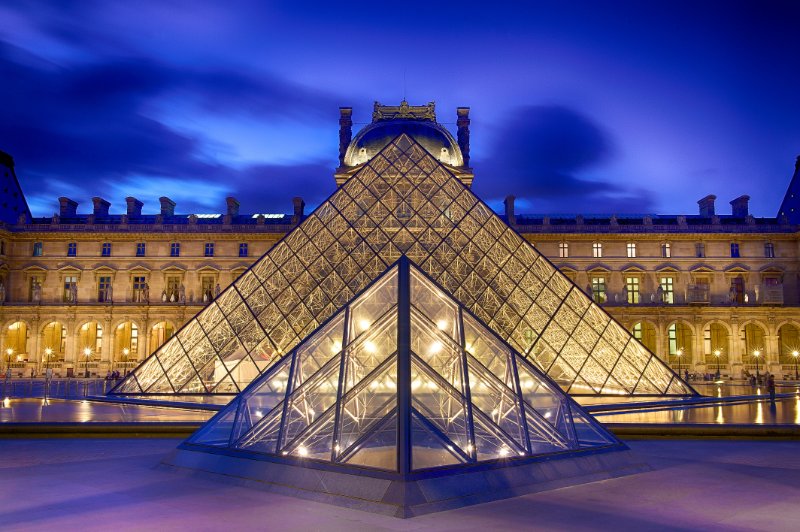
One of the strongest aspects of a Paris-at-night concept is the opportunity to turn exploration into an interactive activity. Traditional sightseeing involves moving from one location to another, while digital exploration can add puzzles, objectives, rewards, and competition. A player might virtually move through a nighttime district while looking for clues or completing location-inspired tasks. PlayBattleSquare exploring Paris after dark can use this approach to transform a familiar travel theme into something more dynamic. The experience could encourage users to notice details, solve challenges, and discover new parts of a fictionalized Paris. This format can also make the concept accessible to people who have never visited France. Through imaginative digital environments, users can experience the mood and visual inspiration of Paris without treating the platform as a replacement for real-world travel.
Landmarks as Sources of Inspiration
Paris contains numerous recognizable landmarks that can inspire digital storytelling. The Eiffel Tower, Arc de Triomphe, Louvre area, Seine River, historic bridges, and distinctive streets all contribute to the city’s identity. At night, these locations can provide especially strong visual themes because lighting changes their appearance and creates memorable scenes. A digital platform can take inspiration from these elements without needing to reproduce every detail. PlayBattleSquare exploring Paris after dark could incorporate fictional missions around landmark-inspired locations, allowing users to navigate virtual environments and uncover different objectives. Such settings can create a sense of progression, with each area offering a different challenge or atmosphere. The important element is not simply showing famous places but using their characteristics to support an engaging experience built around discovery.
The Role of Gaming and Competition
Competition can make a city-inspired digital experience more engaging. Games can introduce points, timed objectives, puzzles, strategic decisions, or multiplayer challenges that encourage users to remain active. A Paris-themed environment could use nighttime exploration as the backdrop for these mechanics. Players might compete to complete a route, locate hidden objects, solve clues, or reach specific virtual destinations within a limited period. In this context, PlayBattleSquare exploring Paris after dark becomes an example of how gaming can turn environmental storytelling into an active experience. Competition does not have to dominate the concept, either. Different modes could allow users to choose between competitive gameplay, relaxed exploration, or story-based missions. This flexibility could make a Paris-inspired experience attractive to people with different interests and play styles.
Creating an Immersive Nighttime Atmosphere
Atmosphere is one of the most important elements of any digital environment. A successful nighttime setting depends on more than simply making the screen darker. Lighting, sound, architecture, movement, weather effects, and environmental details can all influence how a virtual location feels. Paris offers many possibilities in this area. Warm streetlights, reflections on wet pavement, illuminated windows, river views, and distant city sounds can create an atmospheric backdrop for digital activities. PlayBattleSquare exploring Paris after dark can draw on these characteristics to create an experience that feels visually distinctive. Even small environmental details can help users feel that they are moving through a living city rather than a collection of disconnected game levels. Good atmosphere also supports storytelling because it can establish mystery, excitement, relaxation, or anticipation before a player even begins a challenge.
Discovering Paris Through Stories
Storytelling can give a city-themed gaming experience greater depth. Instead of simply moving between locations, players can follow characters, uncover fictional events, or complete missions connected by a larger narrative. A nighttime Paris setting is particularly useful for stories involving mystery, discovery, friendship, competition, or adventure. With PlayBattleSquare exploring Paris after dark, storytelling could encourage users to investigate different parts of a virtual city while gradually discovering new information. Each location could introduce a character, clue, challenge, or piece of the wider story. This approach can make exploration feel purposeful because users have a reason to continue moving forward. It also demonstrates how gaming environments can combine entertainment with narrative techniques traditionally associated with films, books, and travel storytelling.
Balancing Realism and Imagination
A digital Paris-inspired experience does not necessarily need to reproduce the city exactly. In fact, creative freedom can make the environment more interesting. Designers can preserve recognizable themes while adding fictional streets, hidden passages, imaginative architecture, or impossible challenges. This balance allows users to recognize the inspiration while still feeling that they are entering a new world. PlayBattleSquare exploring Paris after dark can benefit from this combination of realism and imagination. Familiar elements provide context, while fictional additions create opportunities for gameplay that would not be possible in an ordinary travel setting. The result can be an environment that feels connected to Paris without being limited by the rules of real-world geography. This approach is common in interactive entertainment because it allows creators to prioritize fun, exploration, and storytelling.
Why Nighttime Themes Work Well in Digital Entertainment
Nighttime themes often create a stronger sense of mystery and curiosity than ordinary daytime environments. Shadows, illuminated locations, quieter streets, and changing visual patterns naturally encourage exploration. For digital entertainment, these characteristics can help establish memorable settings and distinctive challenges. PlayBattleSquare exploring Paris after dark benefits from this natural contrast because the city becomes more than a backdrop. Nighttime can influence the type of missions, puzzles, and stories that are presented. For example, a challenge might involve following illuminated routes, identifying landmarks from silhouettes, or finding clues hidden within a virtual neighborhood. These ideas can make the environment feel active and unpredictable. The nighttime theme can also support a more cinematic presentation, giving players a stronger sense that they are participating in an adventure rather than simply navigating a conventional game map.
Social Experiences and Shared Exploration
Modern digital entertainment is increasingly social, and city-inspired experiences can benefit from multiplayer interaction. Friends or online communities could potentially explore virtual environments together, compete in challenges, or compare achievements. A shared nighttime Paris setting provides many opportunities for cooperation and competition. PlayBattleSquare exploring Paris after dark can therefore be imagined as a social experience where users do not simply interact with a digital environment but also interact with other participants. Cooperative missions could require players to find clues in different locations, while competitive modes could challenge individuals to complete objectives more efficiently. Social features can also encourage conversation and community participation. When a digital environment provides enough variety, users may return not only for individual gameplay but also because they enjoy sharing the experience with friends and discovering new activities together.
A Fresh Perspective on Travel-Inspired Entertainment
Travel and entertainment have become increasingly connected through digital media. People often discover destinations through games, videos, virtual tours, social platforms, and interactive experiences before deciding whether to visit them in person. A Paris-inspired gaming environment can contribute to this broader trend by presenting the city from an entertainment-focused perspective. PlayBattleSquare exploring Paris after dark illustrates how digital experiences can introduce audiences to cultural and visual themes in an accessible format. It does not have to function as a traditional travel guide. Instead, it can use Paris as creative inspiration for challenges, stories, and interactive environments. This distinction is important because the purpose of gaming is primarily engagement and entertainment, while real-world travel involves direct cultural and geographical experiences.
What Makes the Concept Memorable
Memorable digital experiences usually combine a recognizable setting with engaging activities. Paris already provides strong visual and cultural associations, while interactive challenges provide the element of participation. Combining these ingredients can produce a concept that stands out from generic gaming environments. The strength of PlayBattleSquare exploring Paris after dark lies in this combination of location-inspired atmosphere and interactive entertainment. Users can recognize the Parisian influence while experiencing it through a format that encourages exploration and participation. Whether the focus is competition, storytelling, puzzles, or social interaction, the nighttime setting gives the experience a consistent identity. This can help create stronger thematic continuity across different levels, challenges, and activities while keeping the overall concept flexible enough to support multiple forms of entertainment.
The Future of City-Inspired Digital Experiences
As digital technology continues to develop, interactive experiences may become increasingly sophisticated. Improvements in virtual environments, artificial intelligence, multiplayer systems, graphics, and immersive interfaces could create new ways to explore city-inspired worlds. Future experiences may allow users to interact with environments in more detailed ways, personalize their journeys, or participate in evolving stories. A concept such as PlayBattleSquare exploring Paris after dark fits naturally within this broader direction because it combines a recognizable real-world theme with digital interaction. The future may bring even more creative approaches to combining gaming, travel, culture, and storytelling. However, the most effective experiences will likely remain focused on giving users clear objectives, enjoyable interactions, and environments that encourage curiosity.
Conclusion
Paris after dark provides a rich foundation for digital exploration because its nighttime atmosphere combines recognizable architecture, illuminated streets, cultural identity, and opportunities for discovery. By connecting these characteristics with interactive entertainment, PlayBattleSquare exploring Paris after dark presents an imaginative way to think about gaming and city-inspired experiences. The concept can incorporate exploration, competition, storytelling, social interaction, and atmospheric design while allowing creators to balance realism with creativity. More broadly, it demonstrates how familiar destinations can inspire new forms of digital entertainment. Whether users are interested in challenges, virtual exploration, narrative adventures, or simply the visual appeal of a nighttime city, a Paris-inspired environment offers many possibilities. As gaming continues to evolve, themes that connect real-world places with interactive experiences may provide increasingly engaging ways for audiences to discover, play, and imagine.

