

Introduction
Video games have become an important part of modern entertainment, bringing together technology, creativity, competition, and social interaction. From simple puzzle games to large multiplayer adventures, gaming offers experiences for people with different interests and skill levels. Players can explore imaginative worlds, solve complicated challenges, develop strategies, and connect with other enthusiasts. As technology continues to improve, the gaming industry introduces new ways to make digital entertainment more engaging, accessible, and interactive.
The concept of in videogames playbattlesquare can be explored through the wider gaming environment, where players discover new experiences, improve their abilities, and participate in competitive or casual activities. Modern gaming is not limited to winning matches or completing missions. It also includes learning, teamwork, creative expression, and community participation. Understanding these elements helps players appreciate how gaming has evolved and why it continues to attract audiences worldwide.
Understanding the Modern Video Game Landscape
The video game industry includes numerous genres, platforms, and playing styles. Action games emphasize quick reactions, adventure titles encourage exploration, strategy games reward careful planning, and simulation games allow players to experience realistic or imaginative situations. Puzzle games challenge logical thinking, while sports and racing games recreate familiar competitive activities in digital environments. This variety makes gaming suitable for people with different preferences.
Modern games are available on computers, consoles, smartphones, and cloud-based platforms. Each option offers different advantages depending on performance, convenience, controls, and accessibility. Mobile games are particularly convenient for short sessions, while computers and consoles can provide detailed graphics, advanced controls, and expansive worlds. When exploring in videogames playbattlesquare, understanding these differences can help players choose experiences that match their interests, available equipment, and preferred level of challenge.
How Gaming Platforms Improve Player Experiences
Gaming platforms influence how players discover titles, interact with others, and manage their progress. A well-designed platform can make it easier to browse games, understand their features, follow updates, and learn about new releases. Clear navigation and responsive performance are particularly valuable because they allow players to spend more time enjoying games rather than dealing with unnecessary technical difficulties.
Different platforms also support different features, including achievements, leaderboards, multiplayer matchmaking, and community discussions. These features can encourage players to develop their skills and remain interested in their favorite games. However, the quality of an experience depends on more than its presentation. Reliability, privacy protections, transparent policies, and accessible support are equally important. Players should evaluate a gaming service carefully before creating an account, downloading software, or sharing personal information.
Popular Genres and Their Unique Appeal
Every gaming genre provides a different combination of entertainment and challenge. Action games test reaction speed and decision-making under pressure, while role-playing games allow players to develop characters and influence fictional stories. Strategy titles encourage long-term planning, resource management, and an understanding of how individual decisions affect future outcomes.
Multiplayer games add another dimension by allowing people to compete or cooperate with others. Some players prefer team-based objectives, while others enjoy individual competitions and personal achievements. Casual games provide short, accessible experiences that fit into busy schedules. The variety associated with in videogames playbattlesquare reflects the broad appeal of gaming culture, where different genres offer opportunities for relaxation, learning, exploration, and competition without requiring every player to follow the same approach.
Developing Skills Through Regular Gameplay
Video games can encourage players to practice several useful skills. Many titles require attention, pattern recognition, spatial awareness, and quick decision-making. Puzzle games may encourage logical reasoning, while strategy games require players to evaluate resources and anticipate possible outcomes. Competitive games can also help players recognize mistakes, adapt their tactics, and respond to changing situations.
Improvement generally comes from deliberate practice rather than simply spending more hours playing. Players can focus on one skill at a time, review unsuccessful attempts, and experiment with different approaches. For example, someone struggling with a competitive match might practice movement, learn the game’s maps, or improve communication with teammates. Setting realistic goals makes progress easier to measure. Regular breaks and balanced schedules are also important because fatigue can reduce concentration and make gaming less enjoyable.
The Importance of Strategy and Decision-Making
Strategy plays a central role in many modern games. Even titles that appear straightforward can reward players who understand their objectives, study their surroundings, and make informed decisions. A successful approach often involves identifying priorities, managing limited resources, and adapting when circumstances change. Rather than repeating the same action, skilled players consider whether their current tactics remain effective.
Decision-making becomes particularly important in multiplayer environments, where every participant may have different strengths and objectives. Team members need to coordinate their actions, share information, and respond to unexpected developments. In videogames playbattlesquare, the broader lesson is that gaming can involve much more than reflexes. Planning, patience, observation, and flexibility frequently determine how effectively a player handles challenging situations. These abilities also make gameplay more rewarding because progress results from understanding the experience rather than relying entirely on chance.
Online Communities and Social Interaction
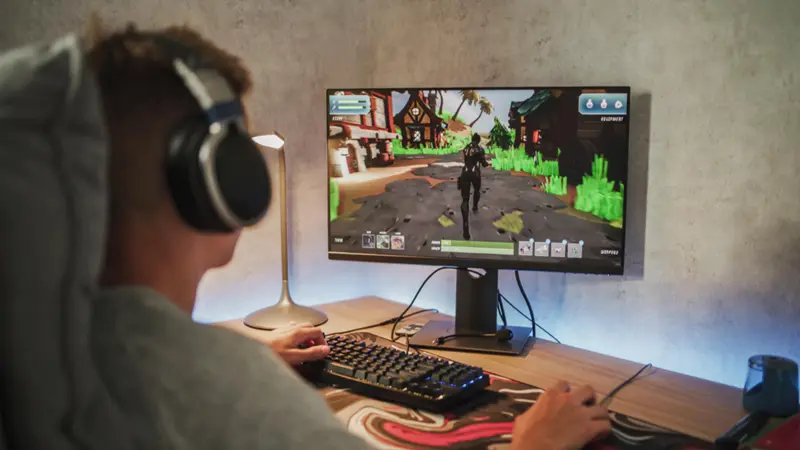
Online gaming communities allow players to discuss strategies, exchange recommendations, share achievements, and build friendships around common interests. Community forums, group chats, multiplayer sessions, and live-streaming spaces provide different ways to participate. Experienced players may help beginners understand complicated mechanics, while newcomers can introduce fresh perspectives and questions.
Positive communities depend on respectful communication and responsible behavior. Players should avoid harassment, personal attacks, cheating, and deliberate disruption. They should also protect their privacy by avoiding unnecessary disclosure of real names, addresses, passwords, and financial information. When interacting with unfamiliar people, especially in public gaming spaces, caution is essential. Healthy communities make games more welcoming and enjoyable, allowing participants to focus on shared interests instead of unnecessary conflict.
Gaming Technology and Changing Trends
Technological developments continue to influence how games are created and experienced. Improvements in graphics processing, internet connectivity, storage, and display technology allow developers to create more detailed environments and responsive interactions. Artificial intelligence can support more adaptive opponents, realistic character behavior, and development tools that help creators build complex virtual worlds.
Cloud gaming is another developing area, offering access to certain games through remote computing rather than requiring all processing to happen on a player’s device. Its usefulness depends on internet speed, latency, service availability, and subscription costs. Virtual reality and augmented reality also introduce alternative ways to interact with digital environments. Although these technologies offer exciting possibilities, their value depends on practical factors such as comfort, affordability, accessibility, and whether they meaningfully improve the player’s experience.
Responsible Gaming and Digital Well-Being
Enjoying video games responsibly involves maintaining a healthy balance between entertainment and everyday responsibilities. Gaming can provide relaxation and social connection, but excessive play may interfere with sleep, physical activity, education, work, or relationships. Establishing reasonable limits helps players enjoy their favorite activities without allowing them to dominate their schedules.
Simple habits can make a difference. Players can take regular breaks, stretch between sessions, maintain comfortable seating, and avoid playing so late that sleep becomes difficult. Parents and guardians can help younger players select age-appropriate games and understand online safety. It is also useful to review in-game purchases, subscription renewals, and spending limits before committing money. A balanced routine allows gaming to remain a positive leisure activity rather than a source of unnecessary stress or financial pressure.
Choosing Games That Match Your Interests
Selecting the right game begins with understanding what makes an experience enjoyable. Some players value storytelling and exploration, while others prefer competition, puzzles, creativity, or cooperative challenges. Considering these preferences helps narrow the available choices and prevents disappointment after downloading or purchasing a game.
Practical requirements also deserve attention. Players should check device compatibility, storage needs, internet requirements, age ratings, accessibility options, and payment models. Free-to-play games may include advertisements, optional purchases, or progression systems that encourage spending. Paid titles may offer different content and update policies. Reading independent reviews and understanding a game’s terms can provide useful context. Anyone exploring in videogames playbattlesquare should prioritize reliable information and choose experiences that suit their budget, schedule, and personal preferences.
The Role of Creativity in Video Games
Creativity is an important part of gaming, especially in titles that allow players to build structures, design characters, customize environments, or create their own challenges. Sandbox games provide freedom to experiment, while level editors and user-generated content systems encourage participants to contribute ideas beyond the original game design.
Creative gaming can also introduce basic concepts related to design, storytelling, logic, and problem-solving. Building an effective virtual environment requires players to consider space, resources, appearance, and functionality. Some games encourage collaborative projects, allowing groups to plan and construct shared creations. These activities demonstrate that gaming is not always a passive form of entertainment. Players can become active creators who experiment with ideas, learn through trial and error, and develop projects that reflect their individual interests.
What the Future Holds for Gaming
The future of video games will likely involve continued improvements in accessibility, personalization, multiplayer systems, and interactive storytelling. Developers are exploring ways to make virtual characters respond more naturally, create more flexible experiences, and support players with different physical and cognitive needs. Better connectivity may also make certain multiplayer and cloud-based experiences more convenient.
However, technological progress must be balanced with responsible design. Data privacy, account security, fair monetization, accessibility, and healthy play habits will remain important considerations. Players will benefit most from innovations that improve enjoyment and usability rather than simply adding complexity. As the industry develops, the central purpose of gaming will remain familiar: providing engaging experiences that encourage exploration, challenge, creativity, and connection between people.
Conclusion
Video games have grown into a diverse form of entertainment that combines technology, strategy, storytelling, creativity, and social interaction. Players can explore different genres, improve their abilities, participate in communities, and discover experiences suited to their interests. At the same time, responsible habits, digital safety, and informed choices are essential for maintaining a positive relationship with gaming.
The subject of in videogames playbattlesquare highlights the wider opportunities available in modern gaming culture. Whether someone enjoys competitive matches, creative projects, immersive adventures, or casual puzzles, there are many ways to participate. By choosing suitable games, practicing thoughtfully, respecting other players, and maintaining a healthy balance, individuals can make their gaming experiences more enjoyable and rewarding.
