

Introduction
Video games have become an important part of modern digital entertainment, bringing together creativity, competition, storytelling, and social interaction. Players can explore imaginative worlds, complete challenging missions, develop strategic thinking, and connect with people who share similar interests. From action-packed adventures to relaxing simulation experiences, gaming offers something for different age groups, preferences, and skill levels. As technology continues to improve, games are becoming more immersive, providing detailed environments, responsive controls, and opportunities for players to influence their experiences through their decisions.
The concept of in video games PlayBattleSquare can be explored through the broader gaming experience, where players focus on strategy, exploration, skill development, and community participation. Whether someone enjoys competitive matches, creative building, or cooperative missions, understanding the different elements of gaming can make every session more rewarding. Players who approach games with curiosity and patience often discover new mechanics, improve their abilities, and develop a stronger appreciation for the design choices behind their favorite titles.
Gaming is no longer limited to simply reaching the end of a level or defeating an opponent. It can also encourage problem-solving, teamwork, creativity, and responsible digital habits. By learning how to select suitable games, manage time, communicate effectively, and improve performance, players can build a balanced relationship with digital entertainment.
Understanding the Modern Video Gaming Experience
Modern video games combine multiple forms of entertainment into interactive experiences. Unlike traditional media, games allow users to make decisions that influence what happens next. Players may control characters, build virtual environments, solve puzzles, manage resources, or compete against other participants. These activities create a sense of involvement because the outcome often depends on individual choices, practice, and adaptability.
Different genres appeal to different interests. Action games emphasize quick reactions, while strategy games require planning and careful resource management. Role-playing games encourage exploration and character development, whereas simulation games recreate activities such as farming, driving, or city management. Multiplayer games introduce additional complexity because players must respond to the unpredictable decisions of other people.
Understanding these differences helps gamers choose experiences that suit their preferences. Someone who enjoys thoughtful decision-making might prefer tactical challenges, while another player may find excitement in fast-paced competition. The variety available across the gaming industry makes it possible to explore different styles without relying on a single genre.
What Makes PlayBattleSquare Interesting for Gamers?
The phrase in video games PlayBattleSquare can serve as a starting point for discussing the features that make gaming environments engaging. Players generally look for experiences that combine clear objectives, interesting challenges, satisfying progression, and opportunities to develop new skills. A well-designed gaming experience introduces mechanics gradually, allowing beginners to understand the basics before facing more demanding situations.
Progression is another important element. Completing objectives, unlocking abilities, discovering new areas, and overcoming difficult opponents can provide a sense of achievement. These rewards are particularly satisfying when they reflect genuine improvement rather than repetitive actions alone. Games that balance challenge and accessibility often encourage players to continue learning without making the experience unnecessarily frustrating.
Community participation can also add value. Players frequently exchange advice, discuss strategies, share creative projects, and celebrate achievements. A welcoming environment can help beginners feel more comfortable asking questions and learning from experienced participants. However, the quality of the experience depends on the actual game, its community standards, and the tools available for communication and moderation.
Popular Types of Video Games to Explore
The gaming industry includes a wide range of genres, each offering different mechanics and experiences. Action games focus on movement, timing, and quick decisions. Adventure games emphasize exploration, storytelling, and discovery. Strategy titles challenge players to evaluate risks, plan ahead, and use limited resources effectively. These categories sometimes overlap, creating experiences that combine several styles within one game.
Sandbox games offer another popular option because they give players considerable freedom. Instead of following a single predetermined objective, participants may build structures, experiment with materials, design landscapes, or establish personal goals. This flexibility makes sandbox experiences particularly appealing to people who enjoy creativity and experimentation.
Sports and racing games attract players who appreciate competition and skill-based progression. Simulation games appeal to those who enjoy managing systems or recreating real-world activities. Meanwhile, role-playing games can provide detailed fictional worlds, character customization, and decision-driven stories. Exploring several genres helps players discover what they enjoy most and prevents their gaming routine from becoming repetitive.
Developing Better Gaming Strategies
Successful gameplay often depends on understanding the rules, recognizing patterns, and making informed decisions. Beginners can improve by first learning the basic controls and objectives instead of attempting advanced techniques immediately. Familiarity with movement, inventory management, maps, and other essential mechanics creates a foundation for more effective play.
Practice becomes more productive when players identify specific areas for improvement. For example, someone struggling with aiming can focus on accuracy exercises, while a strategy enthusiast might review decisions made during previous matches. Breaking a complicated skill into smaller tasks makes progress easier to measure. Short, focused practice sessions can be more useful than playing for long periods without a clear purpose.
Adaptability is equally important. A strategy that works against one opponent may fail against another. Players should observe changing conditions, experiment with alternative approaches, and learn from mistakes. In competitive environments, patience can be more valuable than aggressive play. Over time, consistent practice and thoughtful reflection help players develop stronger decision-making skills and greater confidence.
The Role of Multiplayer Gaming and Teamwork
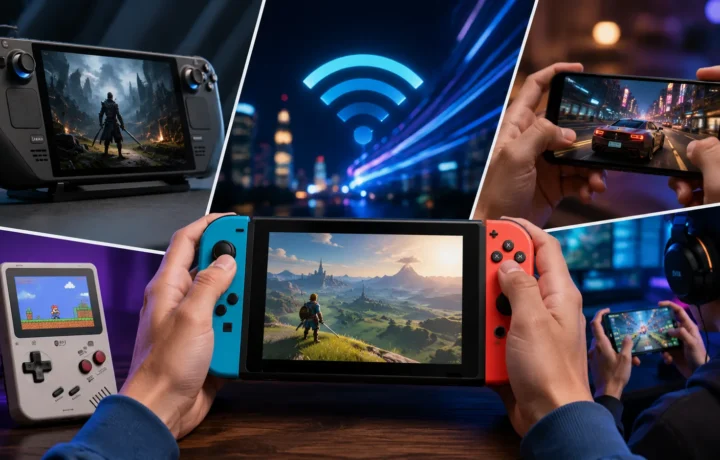
Multiplayer games allow people to interact through shared objectives, competitive matches, and cooperative missions. These experiences can introduce social elements that are absent from many single-player titles. Players may need to coordinate their movements, distribute responsibilities, communicate important information, and adjust their tactics according to the actions of teammates.
Teamwork becomes especially important when individual performance cannot guarantee success. A player might excel at defending an objective but depend on teammates to gather resources or complete another task. Recognizing different strengths helps teams operate more effectively. Clear communication, respectful feedback, and a willingness to cooperate can improve both performance and enjoyment.
The social benefits of multiplayer gaming depend on how participants interact. Positive communities encourage learning and respectful competition, while hostile behavior can make games unpleasant. Players should use available reporting and blocking tools when necessary and avoid sharing private information with strangers.
The idea of in video games PlayBattleSquare also connects naturally with the importance of shared gaming experiences. However, every platform and title has its own features, so players should verify available multiplayer modes, community tools, and participation requirements before joining.
Creativity and Exploration in Gaming
Creativity is one of the most appealing aspects of many modern games. Players can design buildings, customize characters, develop strategies, construct virtual worlds, and experiment with different combinations of objects or abilities. These activities allow individuals to express personal ideas while learning how game systems interact.
Exploration can be equally rewarding. Hidden areas, optional missions, environmental clues, and unexpected encounters encourage players to look beyond the most obvious objectives. Instead of rushing through a game, taking time to examine the environment may reveal additional stories or useful resources. This approach can make familiar environments feel more interesting.
Creative gaming may also support practical thinking. Building a complicated structure can involve planning, measuring space, organizing materials, and solving problems when an initial design fails. Strategy-based creativity requires players to test possibilities and revise their approach. Although games are not substitutes for formal learning, these activities can provide opportunities to practice patience, experimentation, and logical reasoning in an enjoyable setting.
Choosing the Right Game for Your Interests
Selecting a suitable game is an important step toward a satisfying experience. Players should consider their preferred genre, available time, device compatibility, budget, and comfort with different control systems. A game that works well for one person may not be appropriate for another, particularly when gameplay involves demanding mechanics or lengthy sessions.
System requirements deserve attention before downloading or purchasing a title. Players should check supported devices, operating system requirements, available storage, and internet needs. Online games may also require an account or additional software. Reviewing these details can prevent compatibility problems and unnecessary expenses.
It is also useful to understand the game’s monetization model. Some titles offer a one-time purchase, while others include optional purchases, subscriptions, advertisements, or downloadable content. Players should determine whether additional spending is necessary for the features they want. Reading clear product descriptions and checking age ratings can help families and individuals make informed choices.
For anyone exploring in video games PlayBattleSquare, the same principle applies: understand what a gaming service or title actually provides before assuming it includes particular games, tools, or community features.
Gaming Safety and Responsible Digital Habits
Online safety is an essential part of modern gaming. Players may communicate with strangers, create public profiles, join communities, or use third-party services. These activities can be enjoyable, but they also require awareness of privacy risks, suspicious messages, fraudulent offers, and misleading downloads.
A strong approach begins with account security. Use unique passwords, enable multifactor authentication when available, and avoid sharing login details. Be cautious about files or applications obtained from unfamiliar sources, especially when they promise unauthorized advantages or exclusive rewards. Check permissions before installing software, and use official distribution channels whenever possible.
Responsible gaming also involves managing time and spending. Frequent breaks can reduce eye strain and physical discomfort, while a balanced schedule helps protect sleep, work, study, and relationships. Players should establish spending limits before making optional purchases and avoid treating virtual rewards as more important than essential expenses.
Respectful behavior matters as well. Avoid harassment, protect personal information, and report inappropriate conduct through available moderation systems. These habits help create a safer environment for both new and experienced gamers.
Common Challenges Faced by Gamers
Every gaming experience comes with potential difficulties. Beginners may struggle with complex controls, unfamiliar terminology, or opponents who have more experience. Technical issues such as lag, low frame rates, crashes, and unstable internet connections can also interrupt gameplay. Recognizing the cause of a problem is the first step toward finding an effective solution.
Players can address skill-related difficulties by revisiting tutorials, adjusting control settings, and practicing in less demanding environments. Watching gameplay demonstrations can sometimes clarify mechanics, although strategies should always be adapted to the specific game. It is important to remember that improvement takes time and that temporary setbacks are a normal part of learning.
Technical problems may require checking system requirements, updating supported drivers, closing unnecessary background applications, or improving network stability. Players should avoid downloading unknown optimization tools that request excessive permissions or make unrealistic promises.
Another common challenge is frustration after repeated losses. Taking a break, reviewing mistakes, or switching to a less competitive activity can restore perspective. Gaming should provide entertainment and meaningful challenges rather than constant pressure to perform perfectly.
The Future of Video Games
The future of gaming will likely continue to be shaped by improvements in hardware, artificial intelligence, online infrastructure, and interactive design. More capable devices can support detailed environments and responsive gameplay, while better networking can improve multiplayer experiences. Developers are also exploring ways to create more dynamic characters, adaptive challenges, and worlds that respond to player decisions.
Cloud gaming may provide additional access to titles without requiring every player to own powerful hardware, although performance still depends on internet quality, service availability, and subscription costs. Virtual reality and augmented reality offer different ways to interact with digital environments, but comfort, accessibility, and device prices remain important considerations.
Artificial intelligence may help developers create more responsive non-player characters and varied gameplay scenarios. At the same time, the industry must consider data privacy, fair competition, accessibility, and responsible monetization. Future innovations will be most valuable when they improve the actual player experience rather than simply adding technical complexity.
As gaming evolves, the central appeal will remain the combination of interaction, challenge, creativity, and connection. Players who stay curious and adopt responsible habits will be better prepared to explore new experiences as they emerge.
Conclusion
Video games offer far more than simple entertainment. They create opportunities for exploration, strategic thinking, creative expression, cooperation, and personal improvement. By understanding different genres, practicing consistently, choosing appropriate titles, and maintaining responsible digital habits, players can make their gaming experiences more enjoyable and productive.
The concept of in video games PlayBattleSquare highlights a broader interest in gaming culture and the activities that keep players engaged. Whether someone prefers competitive matches, imaginative building, multiplayer adventures, or story-driven experiences, the most rewarding approach is to focus on learning, enjoyment, and respectful participation.
As technology develops, gaming will continue to introduce new possibilities for interaction and creativity. Players do not need the latest equipment or exceptional skills to benefit from these experiences. Curiosity, patience, thoughtful choices, and a healthy balance between gaming and everyday responsibilities can make digital entertainment a positive part of modern life.

