

Introduction
Hairstyles are an important part of personal appearance, allowing people to express their personality, confidence, and individual fashion preferences. Over the years, many classic haircuts have returned with modern improvements, creating fresh options for people who enjoy experimenting with their appearance. One popular example is the mullet, a hairstyle that combines shorter hair at the front and sides with longer hair at the back. Although it was especially popular in previous decades, today’s versions feature cleaner finishes, creative textures, and contemporary fading techniques.
The low taper fade mullet is an excellent example of how traditional hairstyles can be redesigned for modern fashion. It combines the recognizable shape of a mullet with a subtle taper around the sideburns and neckline. This creates a balanced appearance that looks neat without removing the distinctive length at the back. Whether someone prefers a natural finish, textured hair, or a more defined appearance, this haircut offers plenty of styling possibilities.
What Is a Low Taper Fade Mullet?
A low taper fade mullet is a hairstyle that combines two different haircut techniques. The mullet keeps the hair shorter around the front and upper sides while allowing the back section to remain longer. The low taper gradually reduces the hair length around the temples, sideburns, and neckline, producing a clean and controlled transition.
Unlike a high fade, which begins much higher on the sides of the head, a low taper stays close to the natural hairline. This makes the haircut look more subtle and balanced. The longer back section creates the traditional mullet appearance, while the tapered edges provide a fresh and polished finish.
One of the main reasons this hairstyle attracts attention is its versatility. It can look relaxed and casual or carefully styled depending on the person’s preferences. Barbers can also adjust the length, texture, and fading technique to create different variations.
Why Is This Hairstyle Becoming Popular?
Modern hairstyles often combine traditional elements with updated techniques. The mullet has experienced renewed attention because people increasingly appreciate haircuts that offer individuality rather than following only conventional styles. Its distinctive shape makes it recognizable, while modern tapering keeps it suitable for everyday fashion.
Another reason for its popularity is the flexibility it provides. Some people prefer a dramatic difference between the shorter sides and longer back, while others choose a softer transition. The low taper creates a more natural appearance, making the haircut easier to wear in different environments.
Social media, celebrity-inspired fashion, and modern barbering trends have also contributed to the popularity of mullet variations. Photographs and hairstyle videos allow people to discover new combinations of fades, textures, and lengths. As a result, the low taper fade mullet has become an interesting option for people looking for something different without choosing an extremely unconventional haircut.
Main Features of a Low Taper Fade Mullet
Understanding the main features of this haircut can help someone communicate their expectations to a barber. Although individual versions may look different, several elements usually define the style.
1. Subtle Tapered Sides
The sides are gradually shortened near the temples and sideburns. Instead of creating a dramatic contrast, the barber blends the hair naturally into the surrounding sections. This keeps the haircut clean while preserving enough length to maintain its overall shape.
2. Longer Hair at the Back
The back section is one of the most recognizable features of a mullet. Hair remains longer around the nape, creating a noticeable difference between the front and rear sections. The length can be adjusted according to personal preference.
3. Natural Hairline Finish
A carefully finished neckline and sideburn area make the haircut appear more professional. The taper follows the natural shape of the head instead of creating an unnecessarily high or aggressive fade.
4. Flexible Top Styling
The top can be styled in several ways. Some people prefer short textured hair, while others choose a longer fringe, curls, or a slightly messy finish. This flexibility makes the haircut suitable for different hair types.
Different Types of Low Taper Fade Mullet
There are several ways to customize this hairstyle. The best option depends on hair texture, face shape, personal style, and the amount of maintenance someone prefers.
1. Low Taper Fade Mullet with Textured Top
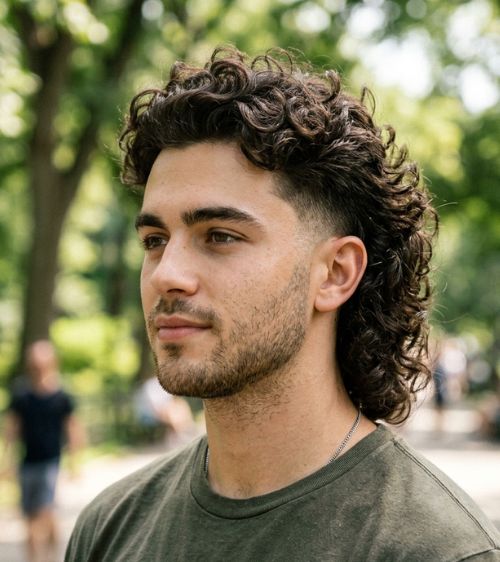
A small amount of matte styling clay can help define individual sections without making the hair look overly shiny. The back remains longer, while the tapered sides provide a clean contrast.
2. Curly Mullet with Low Taper
This variation works especially well when curls are properly moisturized and shaped. Using a lightweight curl cream can improve definition and reduce unwanted frizz.
3. Wavy Hair Mullet
A lightweight styling product can help maintain the waves while keeping them flexible. This is a practical option for people who prefer an effortless hairstyle.
4. Short Mullet with Low Taper
This variation is relatively easy to maintain and can suit people who want a modern haircut for school, work, or everyday activities.
5. Low Taper Mullet with Fringe
A textured or slightly uneven fringe can make the haircut appear more relaxed. People with straight or wavy hair may find this variation particularly easy to style.
Which Face Shapes Suit This Haircut?
Face shape can influence how a haircut looks, although personal preference and hair texture are equally important. A skilled barber can adjust the proportions to create a balanced result.
Oval face: People with oval faces can experiment with different mullet lengths and top styles because this face shape generally works with many haircut variations.
Round face: Adding height and texture to the top can create a more elongated appearance. Keeping the sides relatively controlled may also help balance the overall shape.
Square face: A textured top and softly blended taper can complement stronger facial features. A slightly longer back adds a distinctive element.
Long face: A fuller fringe or more volume around the sides can help balance facial proportions. Extremely tall styling may not be necessary.
Heart-shaped face: A softer top and moderate back length can create a balanced appearance without making the upper section look too heavy.
How to Ask Your Barber for This Haircut
Clear communication is important when requesting a specific hairstyle. Even experienced barbers may interpret a haircut differently if the instructions are unclear. Before the appointment, consider saving two or three reference photographs that show the desired side profile, back length, and top texture.
Explain that you want a low taper around the temples, sideburns, and neckline rather than a high or mid fade. Mention how much length you want to preserve at the back and whether you prefer a short, medium, or longer mullet.
You can also discuss how the top should be shaped. For example, someone with curly hair might request natural volume, while someone with straight hair may prefer additional texture. If you are considering a low taper fade mullet, asking your barber to blend the transition naturally can help achieve a more balanced result.
Styling Tips for a Better Appearance
Maintaining the shape of a haircut requires suitable styling habits. Fortunately, this hairstyle does not always require an elaborate routine. A few simple products and techniques can help keep it looking fresh.
Use the Right Shampoo and Conditioner
Choose hair products that match your natural hair type. Shampoo helps remove dirt and excess oil, while conditioner supports softness and manageability. People with curly or dry hair may benefit from moisturizing products.
Apply a Suitable Styling Product
Matte clay, styling cream, and lightweight mousse can help create different finishes. Clay works well for textured hairstyles, while curl cream can improve the definition of naturally curly hair.
Avoid Excessive Heat
Frequent use of high-temperature styling tools can damage hair over time. When using a blow dryer, choose a moderate temperature and consider applying a heat-protection product.
Maintain the Back Length
The longer back section gives a mullet its recognizable appearance. Regularly checking its shape helps prevent uneven growth and keeps the overall haircut looking intentional.
How Often Should You Maintain It?
Hair maintenance depends on how quickly it grows and how sharp you want the tapered areas to look. Many people prefer visiting their barber every three to four weeks for a taper refresh. However, those who enjoy a softer, more natural appearance may wait longer.
The back section does not necessarily need trimming during every appointment. Its length can be maintained according to the desired style. Occasional shaping helps prevent split ends and keeps the hair from looking uneven.
A simple grooming routine at home can also make a difference. Washing regularly, conditioning when needed, and avoiding excessive styling products help maintain healthy-looking hair. Consistency is more important than using numerous expensive products.
Is This Hairstyle Suitable for Every Hair Type?
The style can be adapted to many hair textures, but the final appearance will vary.
-
Straight hair: Creates clean lines and makes the difference between the top and back sections more noticeable.
-
Wavy hair: Provides natural movement and a relaxed appearance.
-
Curly hair: Adds volume and texture, particularly around the back.
-
Thick hair: Offers plenty of styling possibilities but may require careful layering.
-
Fine hair: Can benefit from textured cutting techniques that create the appearance of additional volume.
People with very fine or uneven hair growth should discuss suitable lengths with their barber before choosing a dramatic version.
Low Taper Fade Mullet vs. Traditional Mullet
Traditional mullets generally feature shorter hair around the front and sides with a longer back section. Their appearance can range from subtle to dramatic, depending on the length and styling choices.
The modern version introduces a more refined approach through gradual tapering. Instead of leaving the sides at one uniform short length, the barber carefully blends the hair near the temples and neckline.
This small adjustment can make a considerable difference. The haircut maintains the recognizable mullet structure while appearing cleaner around the edges. For people who appreciate classic hairstyles but prefer modern grooming techniques, this combination offers an appealing middle ground.
Common Mistakes to Avoid
Even a well-designed haircut can lose its appeal when certain details are overlooked. One common mistake is choosing a taper that is too high when the intention is to achieve a subtle low finish. This can change the overall proportions and make the haircut look different from the reference photograph.
Another mistake is removing too much length from the back. Since the rear section defines the mullet, excessive trimming can weaken its recognizable shape. It is also important not to overlook hair texture. A style that looks excellent on straight hair may require different layering techniques for curly or thick hair.
Finally, avoid using too many styling products. Heavy products can make hair look greasy and reduce natural movement. Choosing a suitable product in a small quantity generally produces a cleaner result.
Conclusion
The mullet has evolved from a recognizable retro hairstyle into a versatile modern haircut that offers numerous styling possibilities. Its combination of shorter sections, longer back hair, and carefully blended sides makes it suitable for people who want something distinctive without sacrificing a neat appearance.
The low taper fade mullet stands out because it combines traditional character with contemporary barbering techniques. Whether someone prefers straight, wavy, or curly hair, the haircut can be adjusted to complement individual preferences and facial features. With the right barber, suitable styling products, and regular maintenance, it can remain attractive and comfortable for everyday wear. Ultimately, the best hairstyle is one that reflects personal confidence and feels natural to wear.

